
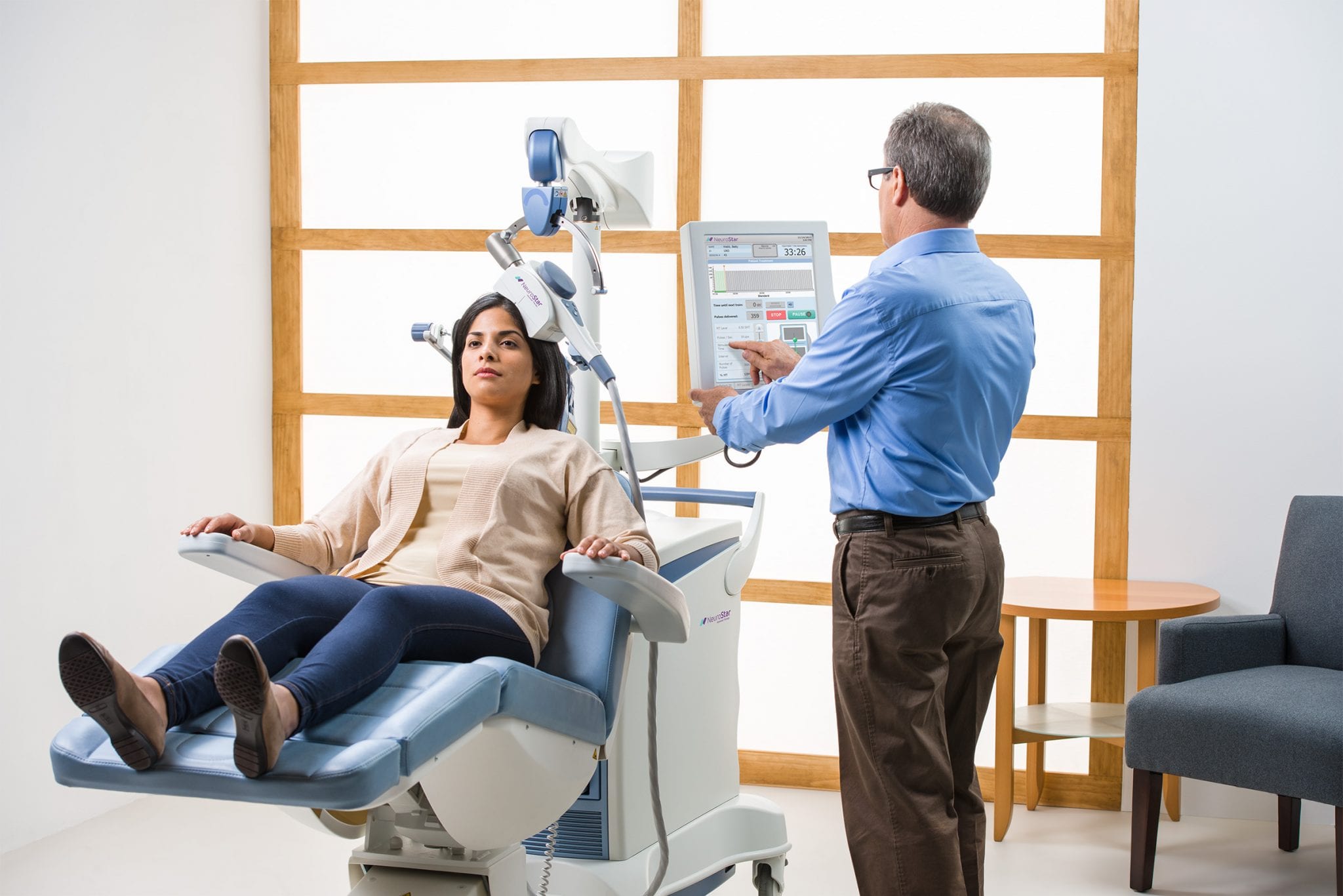
Depression is one of the most challenging conditions affecting millions of people across the United States. While many individuals find relief through therapy or medication, others experience persistent symptoms that do not respond to traditional treatments. For these individuals, new advancements in neuroscience have opened powerful alternative pathways to healing. Transcranial Magnetic Stimulation (TMS) is one such breakthrough—an FDA-approved, noninvasive treatment designed to help individuals who have not found relief with medication alone.
If you are exploring whether TMS may be right for you, learning more through Concierge TMS is an excellent way to understand how this therapy works and what to expect during treatment.
In this article, we will break down everything you need to know about TMS therapy, how it supports mental health, why it is becoming one of the most trusted non-medication treatments for depression, and what makes it different from traditional approaches.
What Is Transcranial Magnetic Stimulation (TMS)?
Transcranial Magnetic Stimulation (TMS) is a noninvasive treatment that uses gentle magnetic pulses to stimulate parts of the brain responsible for regulating mood. For individuals struggling with major depressive disorder (MDD), certain regions of the brain become underactive. TMS reawakens these regions, helping them communicate more effectively.
Key Features of TMS:
- Noninvasive — No surgery, needles, or anesthesia
- FDA-approved for treatment-resistant depression
- Drug-free — Ideal for patients sensitive to medication side effects
- Precise and targeted — Only the mood-regulating areas are treated
- Safe and well-tolerated with minimal side effects
Because of its effectiveness and low-risk profile, TMS is now widely recognized as a leading mental health treatment option when other methods have not succeeded.
Why TMS Is a Breakthrough for Treatment-Resistant Depression
Not all individuals respond to antidepressants. In fact, up to one-third of people diagnosed with depression experience minimal improvement even after trying multiple medications. This is known as treatment-resistant depression (TRD).
TMS Helps People When Medications Don’t
TMS is uniquely effective for individuals who:
- Have tried several antidepressants without relief
- Cannot take medication due to side effects
- Prefer a non-drug, non-surgical treatment method
- Want a long-term improvement rather than temporary symptom relief
Because TMS directly targets the brain circuits involved in mood regulation, many patients report feeling better even when medications have failed them.
How TMS Works: A Simple Explanation
While TMS is rooted in neuroscience, the process is surprisingly simple and comfortable for the patient.
- Magnetic pulses target mood-related areas
A small coil is placed gently against the scalp. It sends magnetic pulses to stimulate the prefrontal cortex, which often shows reduced activity in people with depression.
- Stimulation enhances communication between brain cells
The magnetic pulses encourage neurons to fire more actively, improving how the brain processes mood, decision-making, and emotional regulation.
- Consistent treatment builds long-term improvement
Most patients undergo daily sessions over several weeks, allowing neural pathways to strengthen and regulate more efficiently over time.
This neuroplastic response is why many patients experience lasting improvements in mood even after treatment ends.
What Conditions Can TMS Treat?
Although TMS is primarily known for treating major depressive disorder, research continues to show positive results for additional conditions, including:
- Anxiety
- PTSD
- OCD
- Bipolar depression (in some cases)
- Chronic pain disorders
- Neurological conditions such as migraines
TMS specialists evaluate each patient individually to determine whether the treatment is appropriate based on symptoms, history, and goals.
What to Expect During a TMS Session
One of the most common questions people ask is, “What is a TMS session like?” Many are surprised by how simple and comfortable the process is.
- No anesthesia, no recovery time
You remain fully awake and seated comfortably during the entire session.
- A small coil is positioned at the front of the scalp
This coil delivers magnetic pulses similar to those used in MRI machines, but much more focused.
- Mild tapping sensations
Most patients describe the sensation as light tapping or clicking on the scalp. It is not painful, though the first session may feel unusual.
- Sessions last about 20 minutes
Depending on the device used, appointments range between 3 and 20 minutes. Afterward, you can drive home, work, or continue normal activities.
- Progress gradually builds
Many patients begin noticing improvements in mood between the second and fourth week of treatment.
Because sessions are short and require no downtime, TMS is easy to integrate into a busy lifestyle.
Is TMS Safe? Understanding the Side Effects
TMS is considered one of the safest depression treatments available today. Unlike antidepressants, it does not affect the entire body or alter hormones.
Common—But Mild—Side Effects:
- Scalp sensitivity
- Temporary headache
- Tingling during treatment
These effects usually fade within the first week as the body adjusts.
Rare Side Effects:
Seizures are extremely rare and occur in far less than 1% of patients. Clinics thoroughly screen individuals to ensure the treatment is safe for them.
Overall, TMS’s safety profile makes it a strong option for individuals seeking a low-risk alternative to medication.
How Long Do the Benefits of TMS Last?
Many patients enjoy long-term improvements following a full course of treatment. Studies show that:
- A majority experience significant relief
- Many maintain their improvements for months or years
- Some patients benefit from occasional maintenance sessions
Because TMS promotes neuroplasticity, the brain continues functioning more effectively even after treatment ends. For many, this leads to sustained emotional well-being.
Why TMS Is Different From Other Depression Treatments
- Unlike medication, TMS doesn’t alter body chemistry
No hormonal shifts, weight gain, fatigue, or digestive issues.
- Unlike ECT (electroconvulsive therapy), TMS does not require anesthesia
Patients remain awake and experience no memory loss.
- Unlike therapy alone, TMS directly stimulates brain pathways
This makes it especially effective for severe or long-lasting depression.
- Unlike supplements or lifestyle changes, TMS is clinically proven
It is backed by years of FDA-approved research and real-world success stories.
These distinctions make TMS a valuable option for individuals seeking a modern, science-backed approach to mental health.
Who Is a Good Candidate for TMS?
TMS may be a good fit for individuals who:
- Have not responded well to antidepressants
- Experience medication side effects
- Prefer drug-free treatment options
- Struggle with long-term or recurring depression
- Want personalized, high-precision care
A mental health provider will evaluate medical history, current symptoms, and past treatments to confirm whether TMS is appropriate.
How TMS Supports Emotional and Cognitive Wellness
TMS improves more than just mood—it affects multiple areas of brain function that contribute to overall well-being.
Benefits include:
- Reduced anxiety
- Improved motivation
- Greater mental clarity
- Better sleep patterns
- Increased resilience
- Enhanced emotional stability
For many patients, these improvements help restore confidence, strengthen relationships, and support long-term recovery.
How to Prepare for Your First TMS Appointment
Preparing for TMS is simple. Your healthcare provider will guide you through each step, but the general process includes:
- A comprehensive evaluation
This includes reviewing mental health history, current medications, and previous treatments.
- A personalized treatment plan
Frequency, duration, and coil placement are tailored to your individual needs.
- Lifestyle adjustments
Most individuals require no major changes, though reducing caffeine before sessions may help minimize scalp sensitivity.
- Setting goals
Understanding what you hope to achieve—better mood, focus, energy, or daily functioning—helps measure progress.
Tips for Maximizing Your TMS Results
Although TMS is powerful on its own, combining it with complementary strategies enhances results.
- Continue therapy
TMS improves mood, but therapy supports long-term emotional growth.
- Maintain a balanced routine
Regular sleep, physical activity, and healthy meals support brain function.
- Track mood changes
Keeping a journal helps identify improvements and discuss them with your provider.
- Stay consistent with sessions
Daily treatments are essential for the best outcome.
These habits help strengthen and sustain your results long after treatment ends.
Final Thoughts: A Path Toward Hope and Healing
Depression can feel overwhelming, isolating, and exhausting—but there are effective, science-based treatments that can make a transformative difference. Transcranial Magnetic Stimulation offers a new path for individuals who have struggled to find relief with traditional methods. With its high success rate, gentle approach, and long-lasting benefits, TMS continues to change lives across the country.
If you’re considering TMS or want to better understand how it works, exploring resources from Concierge TMS is an excellent next step. With the right guidance and a personalized treatment plan, a brighter, healthier future is within reach.


