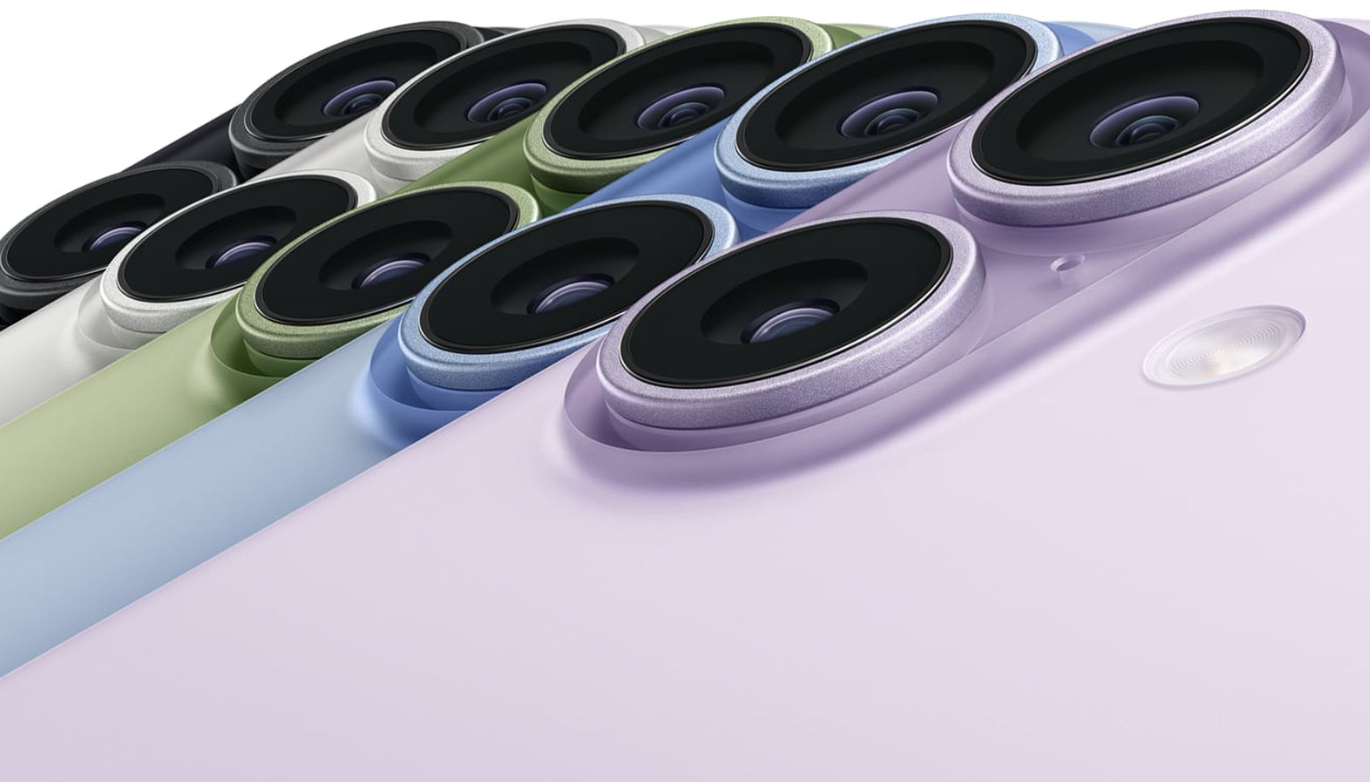
Apple is preparing a major camera upgrade for the future iPhone 18. This change involves advanced image sensor production in Texas. Notably, Samsung will manufacture these next-generation camera sensors in Austin. As a result, Apple strengthens domestic production and supply chain resilience.
Meanwhile, this development signals a historic shift for Apple’s camera strategy. For the first time, Apple moves beyond its exclusive reliance on Sony. Consequently, the iPhone camera ecosystem becomes more diversified and competitive.
Samsung’s Texas Facility Powers iPhone Camera Innovation
Samsung plans to produce the new iPhone camera sensors at its Austin facility. The existing plant already supports advanced semiconductor manufacturing. Now, Samsung prepares to expand operations with specialized production equipment. Accordingly, the company has posted multiple technical job openings.
These roles include engineers, managers, and skilled technicians. Their mission focuses on installing and optimizing advanced imaging equipment. Therefore, Samsung accelerates readiness for high-volume sensor manufacturing. In addition, local employment benefits from this large-scale expansion.
Three-Stack Image Sensor Design Enhances Camera Performance
The upcoming iPhone 18 camera sensor uses a three-stack architecture. This design vertically layers multiple sensor components. As a result, pixel density increases significantly. Moreover, low-light photography improves with enhanced light capture.
Stacked sensors also deliver faster data readout speeds. Consequently, image processing becomes smoother and more responsive. Additionally, power consumption drops during intensive camera usage. Therefore, battery efficiency improves without compromising image quality.
Higher dynamic range also emerges from this advanced sensor structure. Thus, photos display richer contrast and more accurate colors. Importantly, Samsung has not deployed this process commercially before. Hence, the project represents a major manufacturing milestone.
Apple Invests in U.S. Semiconductor Manufacturing
Earlier this month, Samsung confirmed a massive $19 billion investment in Austin. This funding supports equipment upgrades and facility expansion. As a result, Texas strengthens its role in global semiconductor production. Meanwhile, Apple benefits from localized component manufacturing.
Domestic production reduces logistical complexity and geopolitical risks. Furthermore, closer proximity improves collaboration and quality control. Therefore, Apple gains strategic advantages across innovation and supply stability. Similarly, U.S. manufacturing capacity continues to expand rapidly.
Production Timeline Aligns With iPhone 18 Launch
Samsung expects the new sensor production line to activate soon. Reports suggest operations could begin as early as March. Thus, manufacturing aligns with Apple’s long-term product roadmap. The sensor targets integration into the iPhone 18.
Industry analysts expect the iPhone 18 launch in early 2027. Accordingly, Apple finalized its sensor supply agreement last August. This long lead time ensures performance optimization and volume readiness. Therefore, Apple maintains its reputation for polished hardware launches.
Apple Ends Sony’s Exclusive Role in iPhone Cameras
Until now, Sony served as Apple’s sole image sensor supplier. Sony manufactures these components in Japan. Then, distribution flows through partners like TSMC. However, Apple now diversifies its sourcing strategy.
This shift reduces dependency on a single supplier. Additionally, competition encourages faster innovation and cost efficiency. As a result, Apple gains greater flexibility in camera development. Meanwhile, Samsung strengthens its position in mobile imaging technology.
What This Means for iPhone Photography
The iPhone 18 camera upgrade promises noticeable improvements. Users can expect sharper images across diverse lighting conditions. Moreover, faster sensor response enhances video performance. Therefore, content creators benefit from smoother recording experiences.
Advanced sensors also support future computational photography features. Thus, Apple can push software enhancements further. In turn, consumers enjoy professional-grade results effortlessly. Ultimately, photography remains a core iPhone selling point.
Texas Emerges as a Technology Manufacturing Hub
This project reinforces Texas as a global tech manufacturing center. Austin already hosts major semiconductor investments. Now, Apple and Samsung deepen the region’s strategic importance. Consequently, innovation clusters continue expanding across the state.
Local infrastructure and skilled talent support rapid growth. Additionally, government incentives attract long-term investments. Therefore, Texas plays a critical role in future smartphone technologies. This collaboration highlights America’s growing influence in advanced electronics.
Final Outlook on the iPhone 18 Camera Sensor Shift
Apple’s decision reshapes its camera supply chain decisively. Samsung’s Texas-made sensors introduce innovation at scale. As a result, the iPhone 18 may redefine mobile photography standards. Overall, this move reflects strategic foresight and technological ambition.