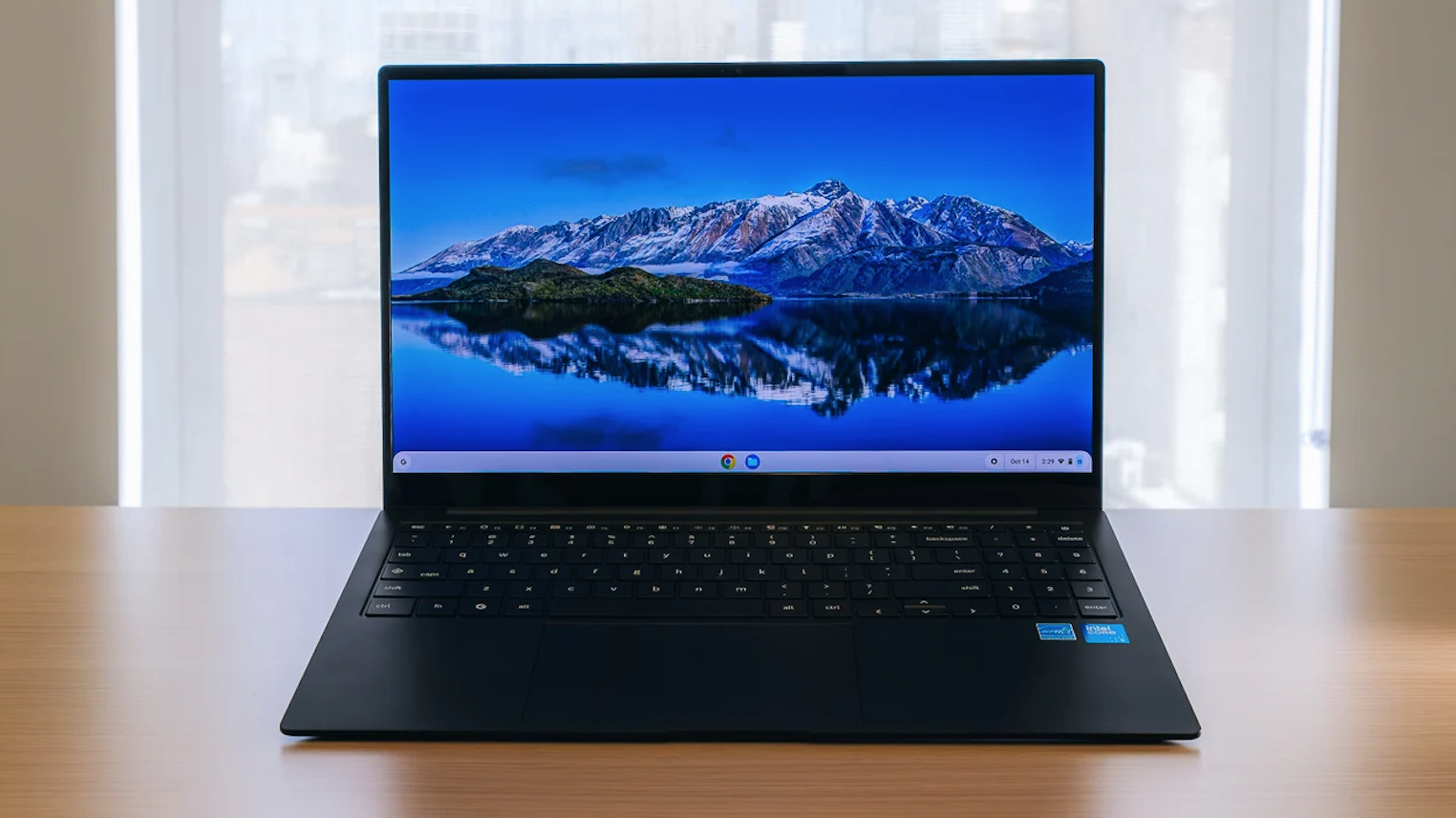
Once upon a time, Chromebooks were seen as “just education laptops.” Fast forward to 2026, and they’ve completely flipped the script. Today, Chromebooks are sleek, powerful, secure, and purpose-built for modern businesses that live in the cloud. As companies chase agility, remote collaboration, and lower IT costs, Chromebooks have stepped into the spotlight as serious business machines.
With the global Chromebook market marching toward an estimated $42.85 billion valuation by 2034, enterprise adoption is accelerating faster than ever. This isn’t a passing trend, it’s a full-blown shift in how work gets done.
Why Chromebooks Are Gaining Massive Popularity in Enterprises
Cloud-First Work Culture Explained
Think of Chromebooks as digital passports to the cloud. Everything—from documents to collaboration tools lives online. ChromeOS is designed around web-based workflows, making it ideal for companies already invested in Google Workspace, SaaS platforms, and virtual desktops.
Remote and Hybrid Work Demands
Hybrid work isn’t going anywhere. Employees expect devices that work seamlessly from home, offices, cafés, or airport lounges. Chromebooks boot up in seconds, sync instantly, and let teams pick up exactly where they left off no friction, no fuss.
Lower Total Cost of Ownership (TCO)
Here’s the kicker: Chromebooks are simply cheaper to own. Between affordable hardware, minimal maintenance, and reduced IT overhead, businesses save significantly compared to traditional Windows or macOS laptops.
ChromeOS: Built for Security, Speed, and Simplicity
Enterprise-Grade Security Architecture
Security isn’t an add-on in ChromeOS—it’s baked into its DNA.
Verified Boot and Sandboxing
Every time a Chromebook starts, it checks itself for tampering. Apps run in isolated sandboxes, meaning one compromised tab can’t infect the entire system.
Automatic Updates and Zero Trust Model
Updates install silently in the background, keeping devices patched without interrupting work. Add ChromeOS’s Zero Trust approach, and you’ve got a system that assumes nothing and verifies everything.
Simplified IT Management with Chrome Enterprise
IT teams can deploy, manage, and secure thousands of Chromebooks from a single cloud-based console. Lost device? Disable it remotely. New hire? Ship a Chromebook directly—no manual setup required.
Key Features Businesses Should Look for in a Chromebook (2026 Edition)
Performance and Processing Power
By 2026, expect Chromebooks powered by Intel Core Ultra, AMD Ryzen, and advanced ARM processors. Multitasking, video calls, and AI features will feel smoother than ever.
Battery Life and Portability
Business users need all-day stamina. Top Chromebooks will easily deliver 10–14 hours of battery life in ultra-light designs.
Display Quality and Ergonomics
Bigger 16:10 displays, OLED panels, and anti-glare coatings will boost productivity while reducing eye strain during long workdays.
Connectivity and Port Selection
Wi-Fi 7, Bluetooth 5.4, Thunderbolt 4, and USB-C charging will be standard—future-proofing your investment.
AI and Productivity Enhancements
From real-time transcription to smart summaries and writing assistance, AI will quietly supercharge daily workflows.
Chromebook Plus Standard: The New Business Baseline
Chromebook Plus isn’t just branding—it’s a performance guarantee. Devices meeting this standard come with faster CPUs, more RAM, better webcams, and enhanced AI tools. In 2026, Chromebook Plus will be the minimum requirement for business buyers.
Best Chromebooks for Business to Buy in 2026
HP Elite Dragonfly Chromebook (2026 Model)
Why It’s Perfect for Executives
This is the boardroom beast. Ultra-light, premium, and powerful, the Elite Dragonfly is expected to feature OLED displays, Wi-Fi 7, enterprise security, and elite build quality. It’s the Chromebook equivalent of a luxury sedan—smooth, fast, and polished.
Acer Chromebook Spin 714 (Next-Gen)
Ideal for Hybrid Professionals
With its 360-degree hinge, stylus support, and AI-powered tools, the Spin 714 adapts to every work mode. Laptop, tablet, tent—this device bends to your workflow, not the other way around.
ASUS Chromebook Plus Enterprise Edition
Balanced Performance for SMBs
ASUS nails the sweet spot between price and performance. Expect strong internals, excellent keyboards, and reliable durability—perfect for startups and growing businesses.
Lenovo Chromebook Duet Business Pro
Ultra-Portable Productivity on the Go
Tablet meets laptop in this feather-light device. Improved keyboards, OLED displays, and ARM performance make it ideal for sales teams and frequent travelers.
Dell Latitude Chromebook Enterprise
Built for Large-Scale Deployments
Dell’s Latitude line focuses on reliability, long-term support, and enterprise integration. Ideal for corporations managing thousands of devices across multiple locations.
Chromebooks vs Traditional Business Laptops
Traditional laptops are like Swiss Army knives—powerful but complex. Chromebooks? They’re scalpels—precise, efficient, and purpose-built. For cloud-centric businesses, Chromebooks deliver faster onboarding, fewer security headaches, and lower costs.
AI, Android & ChromeOS: The Future Unified Ecosystem
Rumors of a ChromeOS–Android merger point toward a unified platform where apps, data, and experiences flow seamlessly across phones, tablets, and laptops. Add AI into the mix, and Chromebooks become proactive assistants—not just tools.
Sustainability and Green IT with Chromebooks
With ChromeOS Flex, businesses can revive older hardware instead of replacing it. Fewer devices in landfills, lower carbon footprints, and longer hardware lifespans—Chromebooks align perfectly with sustainability goals.
Potential Challenges Businesses May Face in 2026
Rising component costs (especially RAM and SSDs) could push prices upward. Some legacy software may still require Windows environments, though virtualization and web apps continue to close that gap.
Who Should Buy a Chromebook for Business in 2026?
- Small and medium-sized businesses
- Remote-first teams
- Education, healthcare, and retail enterprises
- Organizations prioritizing security and cost efficiency
If your work lives in the cloud, a Chromebook just makes sense.
Conclusion: Are Chromebooks the Smart Business Choice for 2026?
Absolutely. Chromebooks in 2026 aren’t compromises—they’re strategic upgrades. With enterprise-grade security, AI-driven productivity, simplified management, and unbeatable cost efficiency, they represent the future of business computing. For companies ready to embrace cloud-first workflows, Chromebooks aren’t just an option—they’re the smartest move forward.
FAQs
1. Are Chromebooks powerful enough for business use in 2026?
Yes. With next-gen processors and Chromebook Plus standards, performance rivals traditional laptops.
2. Can Chromebooks replace Windows laptops completely?
For most cloud-based workflows, yes. Legacy apps may still require alternatives.
3. Are Chromebooks secure for enterprise environments?
ChromeOS is one of the most secure operating systems available, designed with Zero Trust principles.
4. Do Chromebooks support AI tools for productivity?
Absolutely. AI features like smart writing, translation, and summarization are deeply integrated.
5. Are Chromebooks a good long-term investment for businesses?
Yes. Lower TCO, longer device lifespan, and simplified IT management make them highly future-proof.