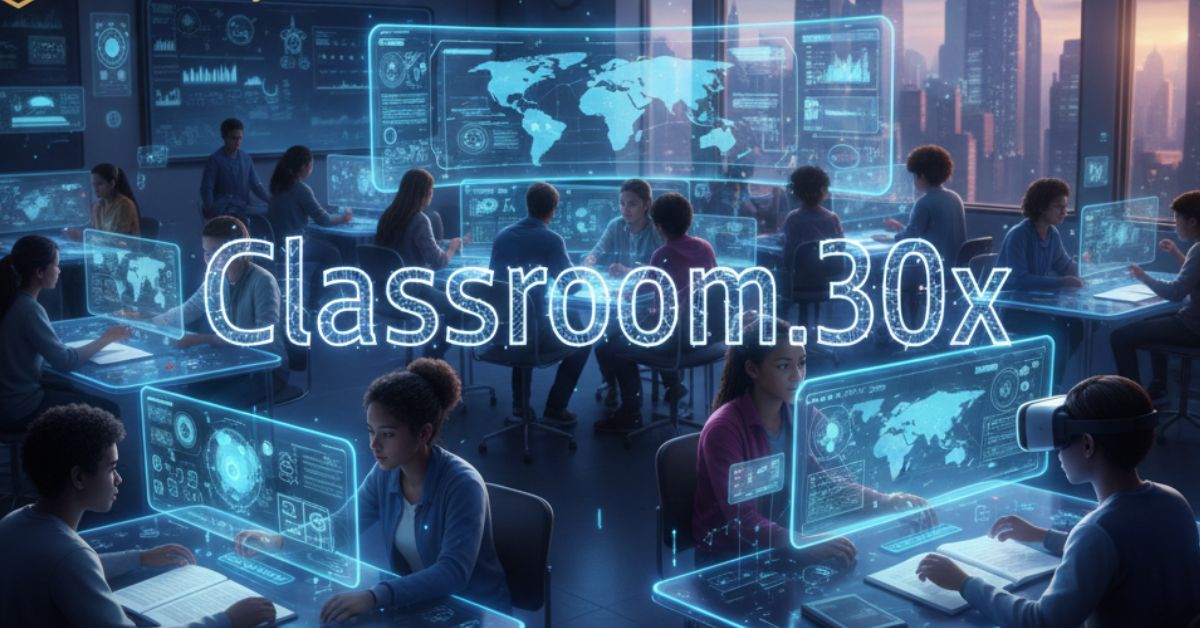
Introduction to Classroom 30x
Welcome to the future of education with Classroom 30x! Imagine a space where students are not just passive recipients of information but active participants in their learning journey. Interactive learning is reshaping classrooms, making them vibrant hubs for exploration and creativity. Gone are the days when lectures dominated the educational landscape. With Classroom 30x, we’re diving into innovative methods that elevate engagement levels and enhance understanding like never before.
Let’s embark on this exciting journey to discover how interactive learning can transform your teaching approach and empower your students to thrive!
The Benefits of Interactive Learning
Interactive learning transforms the educational experience. One of its standout benefits is increased student engagement. When learners actively participate, they are more invested in the material.
Better retention comes next. Students who interact with content tend to remember information longer. This deep interaction aids comprehension and makes lessons stick.
Critical thinking skills flourish in an interactive environment. Discussions, debates, and group projects challenge students to analyze and synthesize information creatively.
Moreover, collaboration fosters a sense of community among peers. As students share ideas and perspectives, they learn from each other’s strengths.
Embracing different learning styles becomes easier with interactive methods. Visuals, hands-on activities, or collaborative tasks cater to various preferences for a well-rounded approach to education.
A. Increased student engagement
Student engagement is the heartbeat of an effective classroom. When students feel involved, they are more likely to participate actively in their learning journey.
Classroom 30x employs various strategies to capture attention and spark interest. Interactive technologies, like smart boards and educational apps, transform traditional lessons into dynamic experiences. This shift not only attracts students but also keeps them attentive.
Group activities play a crucial role as well. Collaborative projects encourage dialogue among peers, fostering a sense of community. Students thrive when they can share ideas and learn from one another.
Additionally, incorporating relatable content makes lessons resonate more deeply with learners. By connecting academic material to real-world scenarios or personal interests, educators create relevance that drives enthusiasm.
When engagement increases, so does curiosity. And that’s where true learning begins—when students take ownership of their education and become active participants in the process.
B. Better retention and understanding of material
Interactive learning fosters an environment where students actively engage with the material. This approach leads to deeper comprehension, allowing learners to connect concepts more effectively.
When students participate in discussions or group projects, they process information on a different level. They are not just passive recipients of knowledge; they become part of the learning journey.
Moreover, hands-on activities such as experiments or role-playing reinforce understanding through practical application. By putting theory into practice, students can see how concepts interlink and manifest in real-world scenarios.
This active involvement helps solidify knowledge in their minds. As a result, retention improves significantly over traditional methods that rely solely on lectures and rote memorization.
C. Improved critical thinking skills
Interactive learning fosters an environment where students can develop critical thinking skills. When students engage with materials actively, they learn to analyze information rather than just memorize facts.
Through discussions and group activities, learners are encouraged to question assumptions. They become adept at evaluating different perspectives. This process pushes them beyond surface-level understanding.
In a classroom setting that promotes inquiry, students face real-world problems requiring thoughtful solutions. They must weigh options and consider consequences before making decisions.
As they navigate these challenges, their ability to think critically sharpens. They learn not only to form arguments but also to defend their viewpoints effectively.
This development of critical thinking prepares students for future academic pursuits and professional endeavors. It equips them with the tools necessary for success in an increasingly complex world.
How Classroom 30x Boosts Interactive Learning
Classroom 30x transforms the traditional learning environment into a vibrant hub of interactivity. One key aspect is its integration of technology and multimedia tools. These resources not only make lessons more engaging but also cater to various learning styles.
Group activities and discussions foster collaboration among students, encouraging them to share ideas and perspectives. This dynamic interaction enhances understanding and promotes a sense of community in the classroom.
Moreover, hands-on learning experiences are at the heart of Classroom 30x. By allowing students to physically engage with materials, they gain practical skills alongside theoretical knowledge. This approach ignites curiosity and motivation, making education an enjoyable journey rather than a chore.
These strategies collectively enhance participation levels while ensuring that every student feels valued within their educational experience.
A. Utilizing technology and multimedia tools
Leveraging technology in the classroom opens up a world of possibilities. Interactive whiteboards, tablets, and computers can transform traditional lessons into dynamic experiences.
Multimedia tools enhance learning by making content more engaging. Videos, animations, and interactive simulations capture students’ attention and cater to various learning styles. With just a few clicks, teachers can present complex concepts in visually appealing ways.
Apps designed for education also play a crucial role. They encourage collaboration among students while allowing them to explore subjects at their own pace. For example, gamified learning platforms make mastering difficult topics enjoyable.
Integrating these tools into lesson plans fosters creativity. Students become active participants rather than passive listeners. This shift not only boosts their interest but also deepens their understanding of the material being taught.
The classroom evolves when educators embrace technology as an ally in enhancing interactive learning experiences.
B. Incorporating group activities and discussions
Group activities and discussions transform the classroom into a vibrant learning hub. Students thrive when they collaborate with peers, sharing ideas and perspectives that enhance understanding.
These interactions encourage students to articulate their thoughts clearly. As they debate concepts or solve problems together, critical thinking skills emerge naturally. Each voice adds depth to the conversation, fostering a richer educational experience.
Furthermore, group dynamics can boost confidence. When students see their contributions valued by others, they’re more likely to engage actively in future discussions.
Incorporating these collaborative elements also allows for diverse viewpoints. Every student brings unique insights shaped by their backgrounds and experiences. This diversity sparks creativity and innovation within groups.
Teachers can facilitate this process by carefully selecting topics or projects that require teamwork. The right balance between guidance and freedom encourages exploration while ensuring learning objectives are met effectively.
C. Encouraging hands-on learning experiences
Hands-on learning experiences are pivotal in a vibrant classroom environment. When students can physically engage with the material, it brings concepts to life. This form of learning transforms abstract ideas into tangible skills.
By incorporating projects, experiments, and interactive simulations, teachers create opportunities for exploration. Students can manipulate objects and test theories firsthand.
Moreover, this engagement fosters curiosity. When learners encounter challenges during hands-on activities, they develop problem-solving abilities that traditional lectures often overlook. It’s about discovering answers through experience rather than rote memorization.
Collaboration thrives in these scenarios as well. Working together on a project encourages communication and teamwork among peers. This dynamic not only enriches their understanding but also builds essential social skills relevant beyond the classroom walls.
Encouraging hands-on experiences truly empowers students to take ownership of their education while making learning memorable and exciting!
Real-Life Examples of Successful Implementation
At Maplewood High, teachers transformed their science curriculum using Classroom 30x. By integrating interactive simulations, students explored complex ecosystems firsthand. The excitement in the lab was palpable as they conducted virtual experiments that would typically be impossible with real-life constraints.
Across town at Riverside Elementary, educators embraced group projects fueled by creative technology tools like digital storyboards. Students collaborated seamlessly online and offline to craft compelling narratives about historical events. This teamwork not only sparked interest but also solidified their understanding of history.
In a high school math class at Lincoln Academy, flipped classrooms became the norm. Students engaged with video lectures at home and tackled challenging problems together during class time. This dynamic approach allowed for deeper discussions and personalized support from teachers during hands-on practice sessions.
These examples illustrate how diverse strategies within Classroom 30x can lead to remarkable educational outcomes across various subjects and grade levels.
Tips for Teachers to Implement Classroom
To successfully implement Classroom 30x, start by embracing technology. Integrate tools like interactive whiteboards and educational apps to enrich lessons.
Next, foster a collaborative environment. Encourage students to work in groups on projects, promoting teamwork and communication skills.
Consider varying your teaching methods. Use multimedia resources such as videos or podcasts to cater to different learning styles.
Set clear expectations for participation. Create a classroom culture where all voices are valued and every student feels comfortable sharing ideas.
Be flexible with your approach. Adapt lessons based on student feedback and engagement levels for continuous improvement.
Conclusion
The integration of Classroom 30x into educational environments promises a transformative shift in how learning occurs. By emphasizing interactive methods, this approach addresses the needs of today’s diverse learners. The benefits are clear: heightened engagement, improved retention, and enhanced critical thinking skills equip students for success.
Teachers who embrace technology and incorporate collaborative activities create dynamic classrooms where every student can thrive. Real-life examples further illustrate that successful implementation is not just possible; it’s already happening across various schools.
As educators explore the possibilities within Classroom 30x, they have the opportunity to redefine their teaching strategies. This innovation supports a more engaging, effective educational experience—one that prepares students for future challenges while igniting their passion for learning. Adopting these techniques paves the way for an enriched classroom environment where both teachers and students flourish together.
READ MORE: ANTAR VACNA