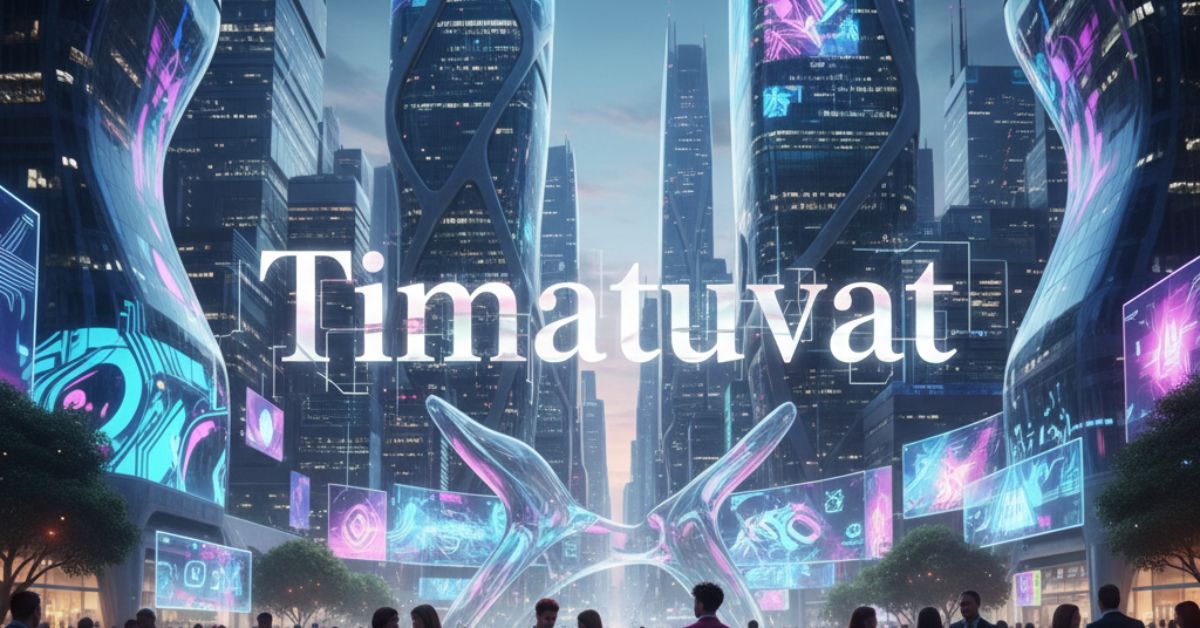
Introduction to Tiimatuvat
Tiimatuvat is more than just a term; it represents a vibrant movement that is reshaping the landscape of contemporary art and design. This captivating phenomenon draws on various influences, celebrating originality and creativity in ways that challenge traditional norms. As artists and designers explore the depths of Tiimatuvat, they invite us to rethink our perceptions of beauty, function, and meaning. Join us as we dive into the rich tapestry of Tiimatuvat—its origins, distinctive traits, and its powerful impact on modern aesthetics across multiple disciplines.
History and Origins of Tiimatuvat
Tiimatuvat traces its roots to ancient traditions, where artisans blended local materials with cultural narratives. This fusion of craftsmanship and storytelling gave birth to a unique aesthetic that has evolved over centuries.
The term “Tiimatuvat” itself is derived from indigenous languages, symbolizing transformation and connection. As communities grew and interacted, their artistic expressions began to reflect shared experiences.
Historical artifacts reveal how Tiimatuvat served not only as functional items but also as spiritual symbols within various cultures. These pieces often carried deep meanings tied to rituals or daily life.
As time progressed, the influence of colonization introduced new techniques and styles. Artists adapted these changes while preserving core elements of their heritage, leading to a dynamic evolution in both art forms and societal interpretations. The journey of Tiimatuvat is one marked by resilience and innovation amidst changing landscapes.
The Unique Characteristics of Tiimatuvat Art and Design
Tiimatuvat art and design stands out for its bold use of color and form. Artists often blend traditional techniques with contemporary aesthetics, creating a visual dialogue between the past and present.
The materials used are equally distinctive. Tiimatuvat creations frequently incorporate sustainable resources, emphasizing environmental consciousness in their production processes. This approach not only reflects an artistic vision but also addresses global concerns about sustainability.
Another characteristic is the fluidity of expression. Tiimatuvat works can shift from abstract to figurative, inviting viewers into multiple interpretations. This versatility enhances engagement, allowing audiences to connect on personal levels.
Moreover, there’s a strong emphasis on cultural narratives within this art form. Each piece often tells a story or conveys deep-seated beliefs rooted in heritage, making them rich in context as well as appearance. The result is an immersive experience that resonates emotionally with those who encounter it.
Contemporary Uses of Tiimatuvat in Architecture and Interior Design
Tiimatuvat is making waves in architecture and interior design. Its organic forms and vibrant colors breathe life into modern spaces. Designers are drawn to its flowing lines, which create a sense of movement.
In residential projects, Tiimatuvat elements often manifest as statement pieces. Sculptural furniture or decorative installations add depth and character to homes. These unique designs invite conversation while challenging conventional aesthetics.
Commercial spaces benefit too. Restaurants featuring Tiimatuvat-inspired decor offer an immersive dining experience. The playful nature of this style encourages creativity, making it perfect for innovative workspaces.
Furthermore, sustainability plays a role in contemporary uses of Tiimatuvat. Many designers utilize eco-friendly materials that align with the principles behind this art form. This connection emphasizes harmony between nature and human creation, enhancing both beauty and function in everyday environments.
The adaptability of Tiimatuvat allows it to fit seamlessly into various styles, proving its versatility across different design disciplines.
Examples of Tiimatuvat in Modern Art Pieces
Tiimatuvat has carved a niche in the realm of modern art, showcasing its versatility and vibrancy. One striking example is the work of contemporary artist Liana Vasiliev. Her installations blend traditional Tiimatuvat techniques with digital media, creating immersive experiences that challenge perceptions.
Another notable piece is by sculptor Javier Marquez, whose use of organic shapes and flowing lines reflects the natural beauty inherent in Tiimatuvat design. His sculptures invite viewers to touch and interact, breaking down barriers between art and audience.
The vibrant color palette found in many Tiimatuvat-inspired paintings adds an emotional depth that captivates onlookers. Artists like Mia Chen utilize bold hues alongside intricate patterns to express cultural narratives through their work.
These examples highlight how Tiimatuvat continues to evolve while maintaining its rich heritage, making it a dynamic force within contemporary art scenes worldwide.
Impact of Tiimatuvat on the Global Art Scene
Tiimatuvat has emerged as a transformative force in the global art scene. Its distinctive blend of traditional techniques and contemporary aesthetics captivates audiences worldwide.
Artists are increasingly drawn to Tiimatuvat’s ability to transcend cultural boundaries. This movement encourages dialogue between diverse artistic practices, fostering creativity that reflects today’s interconnected world.
Exhibitions featuring Tiimatuvat attract significant attention, showcasing how local expressions can resonate on a universal scale. This visibility amplifies voices that may have previously gone unheard.
Moreover, galleries and museums are embracing Tiimatuvat works, integrating them into their collections. This not only enriches their offerings but also educates audiences about the significance of this evolving art form.
As more creators adopt its principles, Tiimatuvat continues to influence trends in both fine arts and design. Its impact is evident across various mediums, illustrating the power of innovation rooted in heritage.
Conclusion
Tiimatuvat has emerged as a powerful force in contemporary art and design. Its unique aesthetic and cultural significance resonate with both artists and audiences alike. Through its rich history, Tiimatuvat reflects the evolution of artistic expression, demonstrating how traditional elements can intertwine with modern techniques.
The distinct characteristics of Tiimatuvat invite exploration into innovative architectural designs and interior spaces that prioritize functionality alongside beauty. As artists continue to incorporate these ideals into their works, we witness the creation of captivating installations that challenge conventional norms.
From sculptures to murals, examples of Tiimatuvat manifest in diverse forms across the globe. These pieces not only enhance environments but also encourage dialogue about our shared experiences through art.
As this movement gains momentum on an international scale, it influences a new generation of creators who are eager to push boundaries further. The impact is clear; Tiimatuvat is reshaping perceptions while fostering connections among different cultures.
With its vibrant energy and profound insights into human experience, Tiimatuvat continues to carve out its place within the broader narrative of contemporary artistry today. The journey ahead promises exciting developments for those willing to embrace this dynamic form of expression.