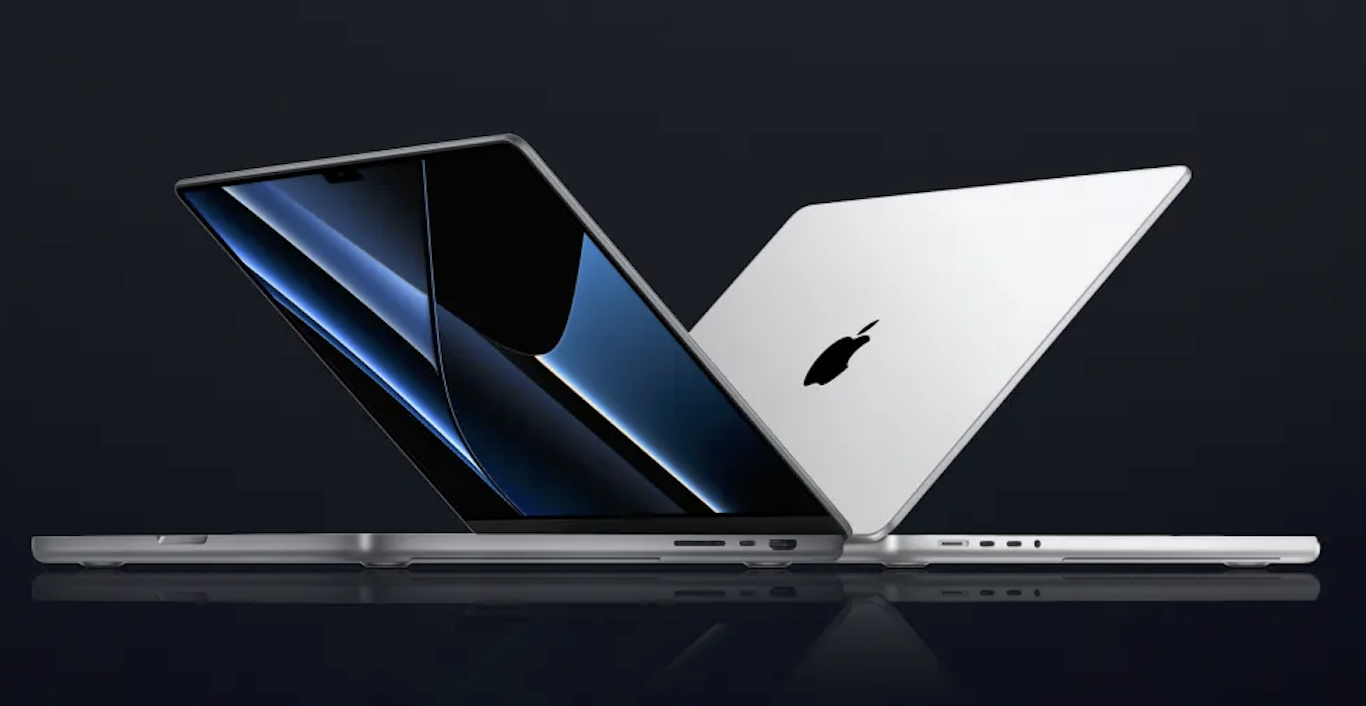
Choosing between the M5 MacBook Air and M5 MacBook Pro feels confusing at first. However, both laptops now share the powerful M5 chip. Therefore, performance differences appear in specific use cases rather than everyday tasks. This guide explains the key differences clearly and helps you decide faster.
Design, Size, and Portability Comparison
The MacBook Air focuses on portability and minimalism. It features a thinner and lighter body than the Pro. Consequently, it suits users who travel frequently.
The 13-inch Air weighs only 2.7 pounds. Meanwhile, the 15-inch version remains lightweight at 3.3 pounds. In contrast, the 14-inch MacBook Pro weighs slightly more at 3.4 pounds.
Although the difference seems small, it feels noticeable during daily use. Furthermore, the Air’s fanless design keeps it completely silent. On the other hand, the Pro includes active cooling, which adds thickness.
Display Quality and Visual Experience
The display marks a major difference between these laptops. The MacBook Air uses a Liquid Retina display with excellent clarity. However, it supports only a 60Hz refresh rate.
In comparison, the MacBook Pro offers a Liquid Retina XDR display. Therefore, it delivers deeper contrast and brighter visuals. Additionally, ProMotion enables refresh rates up to 120Hz.
Brightness also differs significantly between both models. The Air reaches up to 500 nits. Meanwhile, the Pro achieves 1,000 nits and peaks at 1,600 nits for HDR.
As a result, the Pro works better for creative professionals. However, the Air still provides a sharp and pleasant viewing experience.
Performance and Cooling Capabilities
Both laptops run on the M5 chip. Therefore, basic tasks feel equally fast on both machines. For example, browsing, streaming, and office work run smoothly.
However, performance differs during long workloads. The MacBook Air uses passive cooling without a fan. Consequently, it may throttle performance during extended tasks.
In contrast, the MacBook Pro includes active cooling. This feature allows sustained high performance. Therefore, it handles video editing and heavy coding better.
If your work involves intensive tasks, the Pro becomes the stronger option. Otherwise, the Air handles everyday performance effortlessly.
Ports, Connectivity, and Expandability
Port selection plays an important role in usability. The MacBook Air includes two Thunderbolt 4 ports. While this setup works well, it limits flexibility.
On the other hand, the MacBook Pro offers three Thunderbolt ports. Additionally, it includes an HDMI 2.1 port and an SDXC card slot.
These extra ports improve workflow efficiency significantly. Therefore, professionals benefit from the Pro’s expanded connectivity.
Battery Life and Power Efficiency
Battery life remains a strong advantage for both devices. The MacBook Air delivers up to 18 hours of usage. Therefore, it easily lasts a full working day.
However, the MacBook Pro pushes battery life even further. It offers up to 24 hours under optimal conditions. As a result, it suits long sessions without charging.
Moreover, the Pro includes higher wattage power adapters. This allows faster charging compared to the Air.
Audio, Camera, and Overall Experience
The MacBook Air provides excellent sound quality. The 13-inch version includes four speakers, while the 15-inch version upgrades to six speakers.
Meanwhile, the MacBook Pro features a high-fidelity six-speaker system. Therefore, it delivers richer and deeper audio.
Microphone quality also differs slightly. The Pro includes studio-grade microphones with better signal clarity. Consequently, it performs better for recordings and meetings.
Both laptops include a 12MP Center Stage camera. Therefore, video calls look sharp and professional on either device.
Storage, Pricing, and Value
Storage options vary between the models. The MacBook Air supports up to 2TB storage. Meanwhile, the MacBook Pro offers up to 4TB.
Pricing creates a clear distinction between both devices. The 13-inch Air starts at $1,099. The 15-inch version begins at $1,299.
In comparison, the MacBook Pro starts at $1,599. Therefore, the Pro costs at least $300 more than the Air.
Although the Air remains more affordable, the price gap becomes smaller at higher configurations. As a result, many users consider upgrading to the Pro.
Who Should Buy the MacBook Air
The MacBook Air suits users who value portability and simplicity. It works best for students, writers, and everyday users. Additionally, it performs reliably for casual multitasking.
Its lightweight design and silent operation create a comfortable experience. Therefore, it remains a great choice for daily computing.
Furthermore, it balances performance and price effectively. As a result, it offers strong value without unnecessary features.
Who Should Buy the MacBook Pro
The MacBook Pro targets users with demanding workloads. It excels in video editing, software development, and creative tasks.
Its advanced display enhances visual work significantly. Additionally, its active cooling ensures consistent performance.
Moreover, extra ports improve productivity in professional environments. Therefore, it becomes a long-term investment for power users.
Final Verdict: Which MacBook Should You Choose
Both laptops deliver excellent performance with the M5 chip. However, your choice depends on usage priorities.
Choose the MacBook Air if you prefer portability and affordability. It handles most tasks efficiently without extra cost.
On the other hand, choose the MacBook Pro for sustained performance and advanced features. It offers better long-term versatility.
Ultimately, the decision depends on how you use your laptop daily. Therefore, focus on your workload before making a purchase.
Also Read: MacBook Pro M5 Max (2026) Review: Apple’s Powerhouse Laptop Gets Even Better