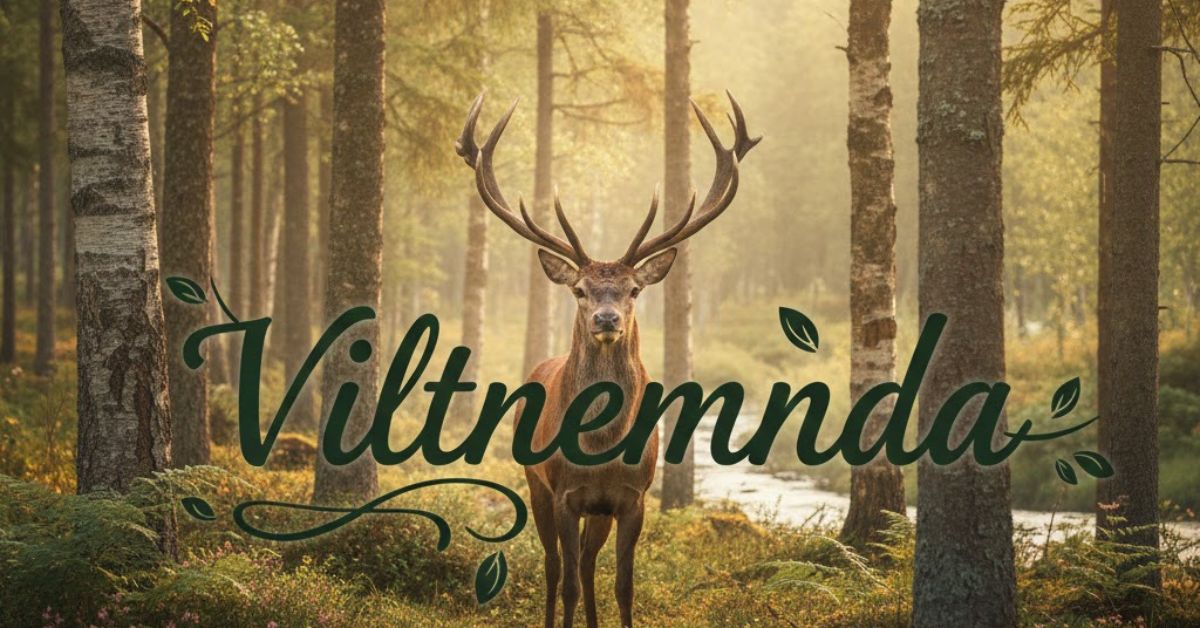
Introduction to Viltnemnda
Norway is a land of stunning landscapes and diverse wildlife, from majestic elk to playful otters. Yet, with this natural beauty comes the responsibility of managing these populations sustainably. Enter Viltnemnda a pivotal player in Norway’s wildlife management landscape. This organization serves as a bridge between conservation efforts and hunting regulations, ensuring that both nature and people can thrive together. Understanding Viltnemnda opens up a fascinating world where ecological balance meets community involvement, all while navigating the challenges posed by modern society.
Let’s dive into how this entity shapes the future of wildlife management in Norway!
History of Wildlife Management in Norway
Wildlife management in Norway has deep historical roots. The relationship between Norwegians and their natural environment dates back thousands of years. Early inhabitants relied on hunting for sustenance, leading to an intrinsic understanding of animal populations.
As time progressed, the industrial revolution brought changes that intensified human impact on wildlife. Overhunting and habitat destruction raised concerns among communities about declining species. In response, authorities began implementing regulations to protect vulnerable animals.
The establishment of formal agencies in the 20th century marked a turning point. These organizations recognized the need for sustainable practices to balance human interests with conservation efforts. By engaging local populations, they fostered a sense of stewardship over wildlife resources.
Today’s approach is informed by decades of research and evolving policies aimed at preserving biodiversity while allowing responsible use of natural resources. This history sets the foundation for contemporary strategies employed by Viltnemnda across Norway.
Goals and Objectives of Viltnemnda
Viltnemnda has a clear mission: to ensure sustainable wildlife management across Norway. This organization aims to balance ecological health with human interests, ensuring that both nature and communities thrive.
One of the primary goals is to maintain stable wildlife populations. By monitoring species numbers and habitats, they can prevent overpopulation or decline, which could disrupt local ecosystems.
Another objective is fostering public awareness. Viltnemnda actively engages with local communities through education initiatives. They inform residents about the importance of biodiversity and responsible hunting practices.
Conflict resolution also plays a significant role in their objectives. Addressing issues between wildlife and agricultural sectors helps mitigate damage while respecting both environments.
These goals reflect Viltnemnda’s commitment to a harmonious relationship between people and nature, preserving Norway’s rich wildlife for future generations.
Responsibilities and Roles of Viltnemnda
Viltnemnda plays a crucial role in Norway’s wildlife management framework. Their primary responsibility is to ensure sustainable populations of various species across the country.
This includes monitoring animal numbers and habitats. They gather data on wildlife health, migration patterns, and breeding habits. Such information aids in making informed decisions that benefit both ecosystems and local communities.
Another key function involves setting hunting quotas. Viltnemnda assesses which species require population control measures to maintain ecological balance. This helps prevent overpopulation while supporting hunters’ interests.
Education is also part of their mandate. They inform the public about responsible hunting practices and promote awareness regarding endangered species conservation.
Collaboration with other organizations enhances their effectiveness too. Working alongside government agencies, NGOs, and local stakeholders strengthens conservation efforts throughout Norway’s diverse landscapes.
Wildlife Population Control Methods Used by Viltnemnda
Viltnemnda employs a variety of wildlife population control methods tailored to maintain ecological balance in Norway. One key approach is regulated hunting, which helps manage species populations while ensuring sustainable hunting practices.
Additionally, Viltnemnda utilizes habitat management techniques. By preserving and enhancing natural habitats, they promote healthy ecosystems that support diverse wildlife. This not only benefits animal populations but also fosters biodiversity.
Another method involves monitoring and research initiatives. Data collection on wildlife health and behaviors enables informed decision-making regarding population control strategies.
In some instances, relocation programs are implemented for certain species facing overcrowding or habitat loss. These efforts aim to reestablish balanced populations across different regions.
Public education plays a crucial role in conservation efforts. Raising awareness about local wildlife issues empowers communities to participate actively in responsible management practices.
Challenges Faced by Viltnemnda
Viltnemnda faces several challenges that complicate wildlife management in Norway. One significant issue is the conflict between conservation efforts and agricultural interests. Farmers often worry about wildlife damaging crops, leading to tensions over how to balance habitat preservation with economic needs.
Climate change also poses a threat. Shifting weather patterns affect animal behavior, migration routes, and food availability. Viltnemnda must adapt its strategies to address these unpredictable changes.
Another challenge comes from public perception. Many people have differing views on wildlife management, which can lead to disputes among stakeholders. Engaging communities and educating them about the importance of sustainable practices is crucial yet difficult.
Additionally, funding constraints limit what can be accomplished. With limited resources for research and mitigation programs, prioritizing initiatives becomes an ongoing struggle for Viltnemnda as they aim to protect Norway’s ecosystems effectively.
Success Stories of Viltnemnda
Viltnemnda has achieved notable success in various wildlife management initiatives across Norway. One standout example is the successful reintroduction of the white-tailed eagle. Once on the brink of extinction, concerted efforts have led to a thriving population in coastal regions.
Another impressive feat involves managing moose populations through regulated hunting and community engagement. This approach has helped balance ecosystems while ensuring local farmers face fewer crop damages.
The organization also launched educational programs aimed at fostering appreciation for Norwegian wildlife among younger generations. By involving schools and communities, Viltnemnda cultivates a sense of responsibility towards nature conservation.
Successful collaboration with local hunters showcases how traditional practices can harmonize with modern management strategies. These partnerships enhance understanding between stakeholders and ensure sustainable use of resources over time.
These stories highlight not just achievements but also inspire continued commitment to preserving Norway’s unique biodiversity.
Future of Wildlife Management in Norway with Viltnemnda
The future of wildlife management in Norway hinges on the adaptive strategies employed by Viltnemnda. As climate change alters habitats, the organization must stay ahead of shifting ecosystems and animal behaviors.
Embracing technology will play a crucial role. Innovations like GPS tracking and drones can provide real-time data, enhancing monitoring efforts. This tech-driven approach allows for more precise population assessments.
Community involvement is equally important. Engaging local populations fosters a sense of stewardship toward wildlife conservation. Educational initiatives can empower citizens to participate actively in preservation efforts.
Collaboration with research institutions will also shape future practices. By leveraging scientific findings, Viltnemnda can implement evidence-based policies that address emerging challenges effectively.
Balancing human interests with ecological integrity will define the direction of wildlife management moving forward. The ongoing commitment to sustainable practices ensures that Norway’s rich biodiversity remains protected for generations to come.
Conclusion
Understanding Viltnemnda and its role in wildlife management reveals the complexities of balancing ecological needs with human interests. This organization has a rich history, deeply intertwined with Norway’s commitment to preserving its diverse ecosystems. The goals and objectives of Viltnemnda focus on maintaining healthy wildlife populations while addressing challenges such as habitat loss and climate change.
The responsibilities handled by Viltnemnda are extensive, ranging from population control methods to public education about wildlife conservation. These efforts reflect their dedication to ensuring sustainable coexistence between humans and nature across the Norwegian landscape.
Despite facing various challenges like varying public opinions on hunting practices Viltnemnda continues to adapt and find innovative solutions. Numerous success stories stand testament to their effective strategies, showcasing how thoughtful wildlife management can yield positive outcomes for both animal populations and communities.
As we look towards the future, it is clear that Viltnemnda will remain at the forefront of Norway’s environmental stewardship. Their ongoing initiatives promise not only to enhance biodiversity but also foster greater awareness among citizens regarding our shared responsibility toward nature’s preservation. Embracing these principles ensures that future generations inherit a thriving natural world enriched by responsible management practices today.
READ MORE: ANTAR VACNA