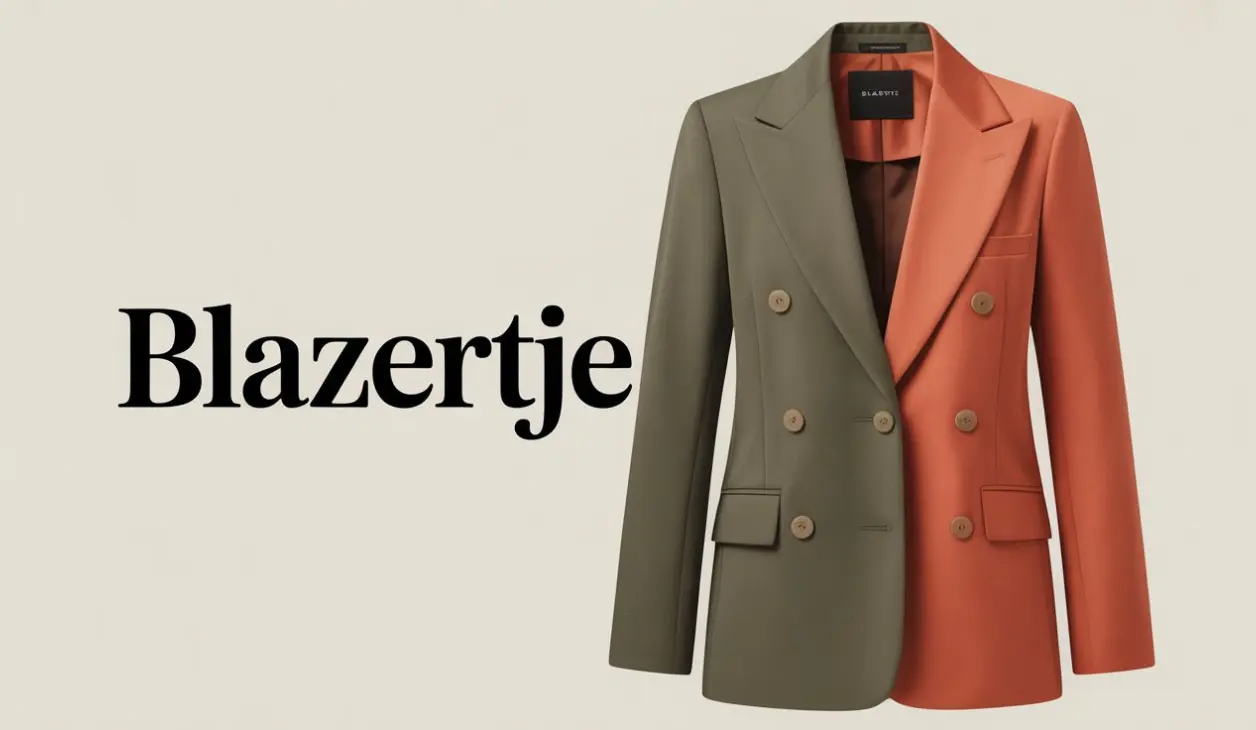
The term blazertje is rooted in Dutch: it’s a combination of blazer + the diminutive suffix ‑tje, which makes it mean “little blazerBut while the literal translation is simple, the concept behind a blazertje is richer and more modern — it’s not just a smaller blazer, but a reimagined one.
Origins and Evolution
-
The diminutive suffix “‑tje” in Dutch generally implies something is smaller or more endearing. Applying that to a blazer gives the sense of something more relaxed or informal.
-
Historically, blazers themselves come from more formal or semi-formal garments. Classic blazers appeared in the 19th century, often tied to rowing clubs and formal wear.
-
The blazertje, however, is part of a contemporary fashion trend: blending structure with comfort, tradition with casualwear. Designers and style influencers have helped popularize the concept, especially in European fashion circles.
Design Characteristics
What sets a blazertje apart from a traditional blazer? Here are some of its key design traits:
-
Lightweight Fabrics
Blazertjes are often made from breathable, soft materials — like linen, cotton blends, jersey, or soft wool. -
Soft Construction
Unlike stiff, structured blazers, a blazertje tends to have little or no shoulder padding, and some are even unlined or half-lined. -
Shorter Length
Many blazertjes are cropped or cut to hit at or above the hip. -
Relaxed Fit
The fit is more forgiving and body-friendly — not as boxy or rigid — allowing for easy layering and movement. -
Minimalist Details
Lapels might be softer, buttons simpler, and the overall silhouette more fluid.
Why It’s Popular (and Why It Matters)
-
Versatility: The blazertje fits into many style contexts. You can wear it in professional settings, but also for casual hangouts or smart-casual occasions.
-
Comfort without Sacrifice: You get the polished appearance of a blazer without the stiffnes
-
Inclusive Style: It works well across genders and body types — designers make blazertjes in cropped, oversized, tailored, and more
-
Trend Resilience: Rather than being a fleeting fad, the blazertje fits into broader, long-term trends of relaxed tailoring and smart-casual dressing.
-
Cultural & Minimalist Appeal: For many, it represents a minimalist wardrobe philosophy — opting for thoughtful, multifunctional pieces rather than overly formal or strictly casual ones.
How to Style a Blazertje
Here are a few outfit ideas and styling tips:
-
Work-ready: Pair a structured or semi-structured blazertje with tailored trousers, a simple blouse or shirt, and loafers or minimal heels.
-
Casual chic: Throw it over a T-shirt and high-waisted jeans. The lightweight nature of a blazertje makes it perfect for layering without bulk.
-
Evening out: Combine it with a slip dress or a fitted skirt, add some statement jewelry, and you’ve got a refined but relaxed evening look.
-
Seasonal flexibility:
-
Summer: Go for linen or cotton blazertje
-
Fall/Winter: Choose wool blend or soft tweed for more warmth without heaviness.
-
Choosing the Right Blazertje
When shopping for a blazertje, consider: