
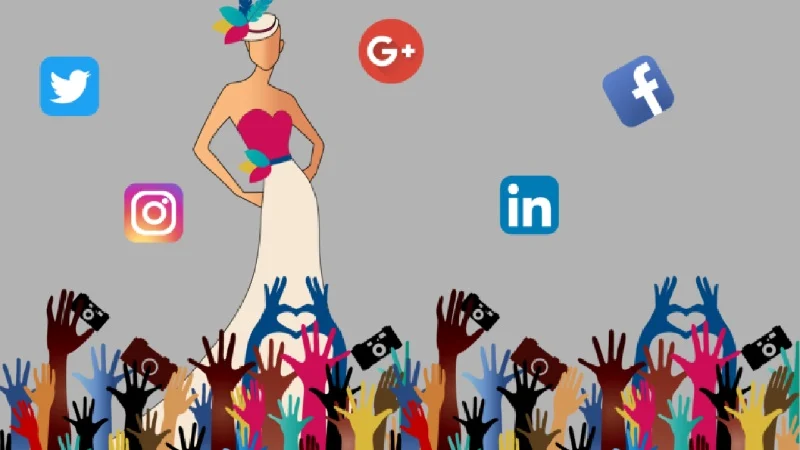
Social media has become a global stage, and influencers are the stars performing on it. But not all of them play by the rules. “Influencers gone wild” is a phrase buzzing across the internet, capturing moments when social media personalities push boundaries, spark controversies, or shock their followers with unpredictable behavior. From jaw-dropping stunts to outrageous content, this phenomenon is more than just entertainment—it’s a reflection of our culture, digital dynamics, and the pressures of fame.
What Does “Influencers Gone Wild” Mean?
At its core, the term “influencers gone wild” describes social media personalities acting outside social norms, often to grab attention or go viral. This can range from harmless pranks to controversial posts that trigger outrage. Platforms like TikTok, Instagram, and YouTube have become breeding grounds for these moments, creating viral content in minutes and amplifying its reach globally.
Examples From Social Media
-
TikTokers performing dangerous stunts for views.
-
Instagram influencers sharing provocative or shocking photos.
-
YouTubers staging elaborate pranks that sometimes backfire.
The Psychology Behind Influencer Behavior
Why do influencers go wild? It’s more than just seeking fame—it taps into human psychology.
Need for Attention and Validation
Many influencers crave likes, shares, and followers. Every post acts as a feedback loop, reinforcing their behavior.
Fear of Missing Out (FOMO)
Seeing peers gain fame or virality pushes some influencers to escalate their content to stay relevant.
Narcissism and Self-Expression
A desire to showcase individuality or extreme personalities often motivates boundary-pushing content.
The Role of Social Media Platforms
Social media algorithms play a major role in what content goes viral.
Algorithm-Driven Content Exposure
Platforms reward engagement. Controversial or shocking content tends to generate higher interactions, leading to more visibility.
Pressure to Be Provocative
Influencers often feel compelled to outdo themselves or their competitors, leading to wild stunts or provocative posts.
Viral Moments That Shocked the Internet
Over the past few years, several influencers have made headlines with outrageous actions.
-
Case Study 1: A TikTok creator performing risky stunts that went viral, drawing both admiration and criticism.
-
Case Study 2: Instagram models posting controversial content to boost engagement, resulting in temporary account suspensions.
These incidents highlight the blurred line between entertainment and recklessness.
The Fine Line Between Entertainment and Controversy
While some fans appreciate boldness, others see it as crossing a moral or ethical line. Public outrage often spreads faster than support, creating a double-edged sword for influencers.
When Fun Turns Into Scandal
A joke, prank, or stunt can spiral into controversy, with lasting consequences on reputation and career.
Impact on Followers and Society
Influencers wield immense power over their audience, especially younger followers.
Influence on Youth Behavior
Impressionable audiences may imitate risky behavior, mistaking shock value for social approval.
Mental Health Implications
Constant exposure to extreme lifestyles can cause anxiety, FOMO, or self-esteem issues among followers.
Setting Unrealistic Expectations
Glamorous, wild content can distort reality, creating unattainable standards for everyday life.
Monetization and Fame Incentives
For many influencers, going wild isn’t just about attention—it’s a lucrative strategy.
-
Sponsored Content: Brands may partner with bold personalities to reach larger audiences.
-
Ad Revenue: High engagement translates to more clicks and higher income.
-
Clickbait Strategies: Controversial posts often attract traffic and sponsorship deals.
Risks of Going Too Far
The pursuit of virality carries serious risks.
-
Legal Consequences: Dangerous stunts or defamatory content can lead to lawsuits.
-
Career Repercussions: Brands may sever ties with influencers who cross ethical lines.
-
Social Backlash: Public shaming and cyberbullying can have lasting personal impacts.
The Dark Side of Influencer Culture
Influencer life is not all glitz and glam. Going wild can invite negative experiences.
-
Cyberbullying: Harassment from both fans and critics is common.
-
Burnout: The pressure to constantly create viral content can lead to exhaustion and mental health struggles.
How Brands Navigate Controversial Influencers
Brands face a tricky balancing act.
-
Careful Selection: Choosing the right influencer aligns with brand values.
-
Crisis Management: Quick response plans are essential if an influencer triggers controversy.
Public Perception and Media Coverage
Media often sensationalizes wild behavior, amplifying controversies. Memes and social commentary further fuel discussions, sometimes turning incidents into internet folklore.
Lessons From Past Incidents
History provides guidance. Audiences, brands, and influencers can learn from past missteps to prevent repetition of mistakes and foster responsible behavior.
The Future of Influencer Behavior
Trends suggest a move toward more responsible content creation. Platforms are implementing stricter policies, and audiences increasingly value authenticity over shock value.
Responsible Content Creation
Creators are exploring meaningful engagement rather than just viral stunts.
Regulations and Platform Policies
Policies are evolving to curb dangerous content, protect followers, and hold influencers accountable.
Conclusion
Influencers gone wild is a phenomenon shaped by psychology, technology, and societal dynamics. While it can be entertaining and profitable, it comes with significant risks—for both influencers and their audiences. Awareness, responsibility, and critical thinking are key to navigating this wild digital landscape safely.
FAQs
Q1: What exactly qualifies as “influencers gone wild”?
It includes any influencer behavior that is extreme, shocking, or outside social norms, often aimed at gaining attention or going viral.
Q2: Are there legal consequences for influencers going wild?
Yes. Dangerous stunts, defamatory content, or violations of platform rules can lead to lawsuits, account bans, or fines.
Q3: How do brands handle controversial influencers?
Brands carefully vet influencers, create crisis management strategies, and may sever partnerships if controversies escalate.
Q4: Can “going wild” hurt an influencer’s career?
Absolutely. While it may generate short-term attention, excessive controversy can damage reputation, lose followers, or end sponsorships.
Q5: How can followers protect themselves from negative influence?
Followers should critically evaluate content, avoid mimicking risky behavior, and prioritize mental health over social media trends.