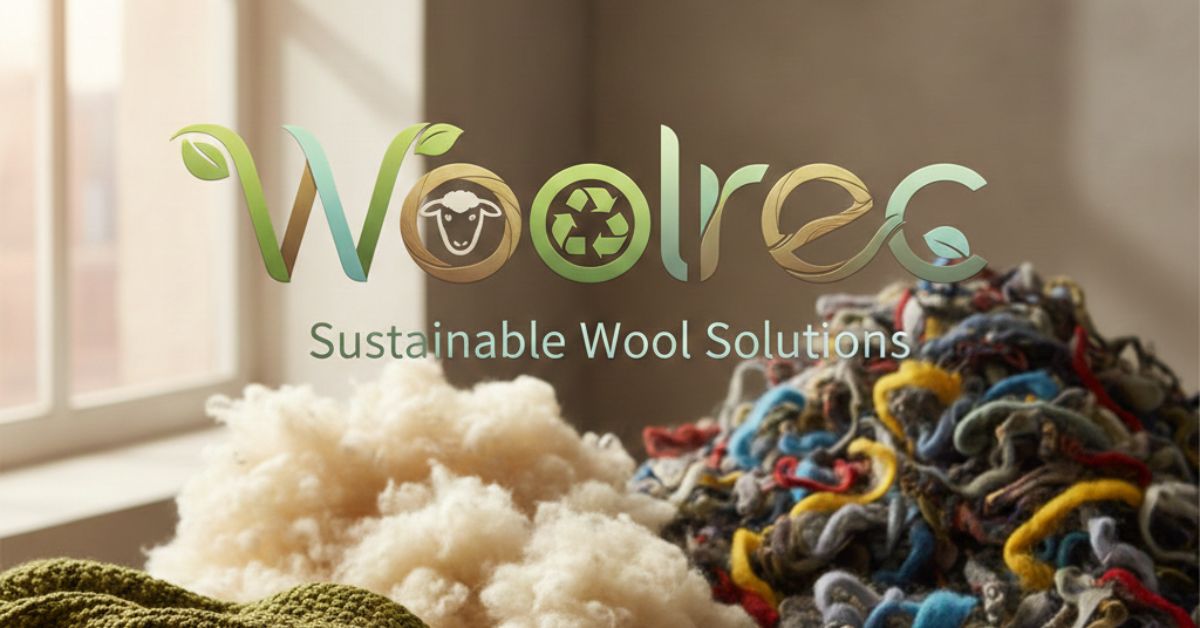
Introduction to Woolrec
Woolrec is not just another name in the recycling industry; it’s a movement toward sustainability. As we face increasing environmental challenges, innovative solutions are essential for creating a greener future. Wool waste has become a significant issue, with millions of tons discarded every year. But what if we could turn that waste into something valuable?
Imagine transforming unwanted wool into new products while reducing our carbon footprint at the same time. Woolrec makes this possible by championing sustainable wool recycling practices that benefit both consumers and the planet.
Join us as we explore how Woolrec is changing the game and paving the way for a more eco-conscious approach to fashion and textiles. The journey towards sustainability starts here!
The Environmental Impact of Wool Waste
Wool production is often celebrated for its natural qualities, but it comes with a hidden downside: wool waste. Millions of tons of discarded wool end up in landfills every year. This contributes significantly to environmental pollution.
When wool decomposes, it releases methane, a potent greenhouse gas that exacerbates climate change. The impact doesn’t stop there; the dyes and chemicals used in processing can leach into soil and waterways, harming ecosystems.
Additionally, the water and energy consumed during the production process are staggering. Reducing this waste is crucial for sustainable practices within the fashion industry.
The good news is that innovative companies like Woolrec are stepping up to tackle these issues head-on. By focusing on recycling and repurposing wool materials, they aim to minimize waste while promoting greener alternatives.
Read More : Summer Fabrics That Define Elegance This Season
How Woolrec is Revolutionizing the Recycling Industry
Woolrec is changing the game in the recycling industry. With a focus on sustainability, they’ve created an innovative process that transforms discarded wool into valuable resources.
By using advanced technology, Woolrec efficiently collects and processes wool waste from various sources. This not only reduces landfill contributions but also curtails greenhouse gas emissions associated with traditional disposal methods.
Their approach promotes a circular economy. Instead of being thrown away, wool can be revitalized and repurposed for new products. This shift encourages brands to adopt more eco-friendly practices.
Consumers are becoming increasingly aware of their environmental impact. Woolrec’s commitment resonates with those looking for sustainable fashion choices that don’t sacrifice quality or style.
The ripple effects of this initiative extend beyond recycling alone; they inspire other industries to rethink how they manage waste and contribute to sustainability efforts globally.
Benefits of Using Recycled Wool
Using recycled wool comes with a host of benefits that make it an attractive choice for consumers and manufacturers alike. First, it significantly reduces the demand for new raw materials. This not only conserves natural resources but also lessens the carbon footprint associated with wool production.
Recycled wool is often more affordable than virgin wool, making sustainable fashion accessible to a wider audience. Its unique properties, such as breathability and insulation, remain intact during the recycling process.
Additionally, using recycled materials encourages a circular economy. It fosters innovation in product design while promoting environmental responsibility among brands and consumers.
This shift toward sustainability can help build brand loyalty as customers increasingly seek eco-friendly options in their purchases. The versatility of recycled wool allows for various applications, from clothing to home textiles, proving its value across different industries.
Applications and Products Made from Recycled Wool
Recycled wool finds its way into a multitude of applications, showcasing its versatility and eco-friendliness. From cozy sweaters to stylish scarves, the fabric retains warmth while reducing environmental impact.
Home décor products also benefit from recycled wool. Think of plush rugs and sound-absorbing wall panels that add aesthetic appeal without harming our planet.
In the world of insulation, recycled wool proves to be an efficient alternative for both buildings and clothing. It offers natural thermal regulation while being biodegradable at the end of its life cycle.
Even in industrial uses, recycled wool shines through as a sustainable material in automotive interiors or noise-reducing elements for machinery. The possibilities are endless with this remarkable fiber, paving the way for innovative designs that contribute to sustainability efforts across various industries.
The Future of Sustainable Fashion with Woolrec
The future of sustainable fashion shines brightly with Woolrec at the forefront. By innovatively recycling wool, this company is reshaping how we view textile waste.
Consumers are becoming more conscious about their choices. They seek brands that prioritize sustainability, and Woolrec is rising to meet that demand.
Woolrec’s advancements promise a world where quality garments can be produced from reclaimed materials. This not only reduces landfill waste but also minimizes the carbon footprint associated with new wool production.
As industry leaders adopt these practices, collaborations will flourish between designers and recyclers. The result? A creative fusion of style and eco-friendliness.
Fashion enthusiasts can look forward to unique pieces crafted from recycled wool fibers, offering both functionality and aesthetic appeal. With companies like Woolrec leading the charge, a greener wardrobe becomes an attainable reality for all.
Conclusion
Woolrec stands at the forefront of sustainable wool recycling, paving the way for a greener future. With the alarming rate of wool waste contributing to environmental degradation, Woolrec offers a solution that not only addresses this issue but also transforms it into an opportunity for innovation.
The benefits of using recycled wool are numerous. It reduces landfill contributions and conserves resources while providing high-quality materials for various applications. From cozy sweaters to durable insulation products, recycled wool is versatile and eco-friendly.
As we look ahead, Woolrec is set to play a crucial role in shaping the future of sustainable fashion. By championing responsible practices within the textile industry, they inspire brands and consumers alike to embrace eco-conscious choices.
Sustainable practices are no longer optional; they’re essential. The work done by Woolrec exemplifies how industries can evolve towards sustainability without sacrificing quality or style. As awareness grows around ethical consumption, initiatives like these will help redefine our relationship with clothing and textiles—leading us toward a more sustainable world where fashion respects both people and planet.