Ever thought your best digital stuff might be right in front of you? Many site owners focus on new posts. But they forget about the great stuff already on their sites.
Refreshing legacy pages can really help your site grow. You don’t always need new content to get more visitors. Just update old posts that aren’t doing well anymore.

content optimization
By doing content optimization right, you keep up with search engines. Updating old pages keeps you ahead in a busy online world. This makes old posts work hard again, bringing in steady results. Learning this trick means your efforts keep paying off for a long time.
Understanding the Importance of Content Optimization
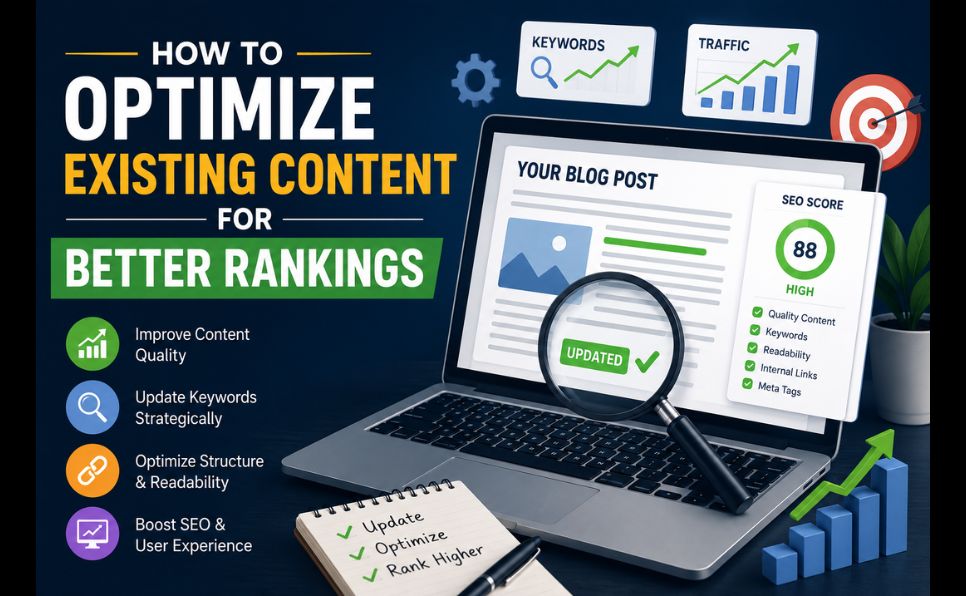
Updating your current content can make old pages work better. Many website owners focus on new posts but forget about their old content. Learning how to Optimize Existing Content for Better Rankings is key for digital marketers.
Why Optimization Matters for SEO
Search engines like fresh, relevant info. When you update your content, you tell search engines your site is active and important. This keeps your site relevant in a changing digital world.
Updating old pages lets you add new data and search intent. This makes search engines want to check your pages again. This can make your site more visible and ranked higher.
Impact on User Experience
Good, updated content means happier visitors. When visitors find what they need, they stay longer. This is good for search engines.
A smooth user experience needs clear, useful info. Old content can make users doubt your brand. Keeping your pages up-to-date means your visitors get what they expect.
Benefits of Updating Old Content
Keeping your content library healthy is very important. Instead of always making new content, use what you already have. This is often faster than starting from scratch.
Regular content optimization builds a strong online presence. By improving your existing content, your whole site stays a trusted resource. This is the foundation for growing in a competitive market.
Conducting a Content Audit
A content audit is key for a good digital plan. It shows what works and what doesn’t. This helps improve your content and grow your site.
Tools for a Comprehensive Audit
You need the right tools for a good audit. Google Analytics and Google Search Console give you important info. Screaming Frog finds technical problems.
These tools help you list all your URLs. This list is your guide for improving SEO. It makes sure you check every page.
Analyzing Content Performance Metrics
Look at important numbers like traffic, bounce rates, and conversions. These show what content works and what doesn’t. If a page gets a lot of views but few clicks, it might need better titles or descriptions.
Patterns in the data show what users want. If a page looks good but doesn’t get clicks, it’s time to change. Making choices based on data is smarter than guessing.
Identifying Underperforming Pages
Sort your pages by how well they do. Focus on those with big promise but low traffic. This makes your SEO work more effective.
Knowing which pages need help lets you decide what to do. You might update, merge, or remove some. This step is important for planning your work. Fixing the right pages first will help your site improve faster.
Keyword Research: Revisiting Your Content Strategy
Refreshing your keyword approach is key to better search visibility. Even great articles can fade as language and user habits change. By updating your strategy, you keep your content fresh for your audience.
Strategic keyword updates help you catch new search terms. This is vital for long-term SEO success and keeps you ahead online.
Finding New Keywords with Potential
Look for new keywords beyond your old ones. Search engines now focus on what users want to know. Find long-tail keywords that match your readers’ current needs.
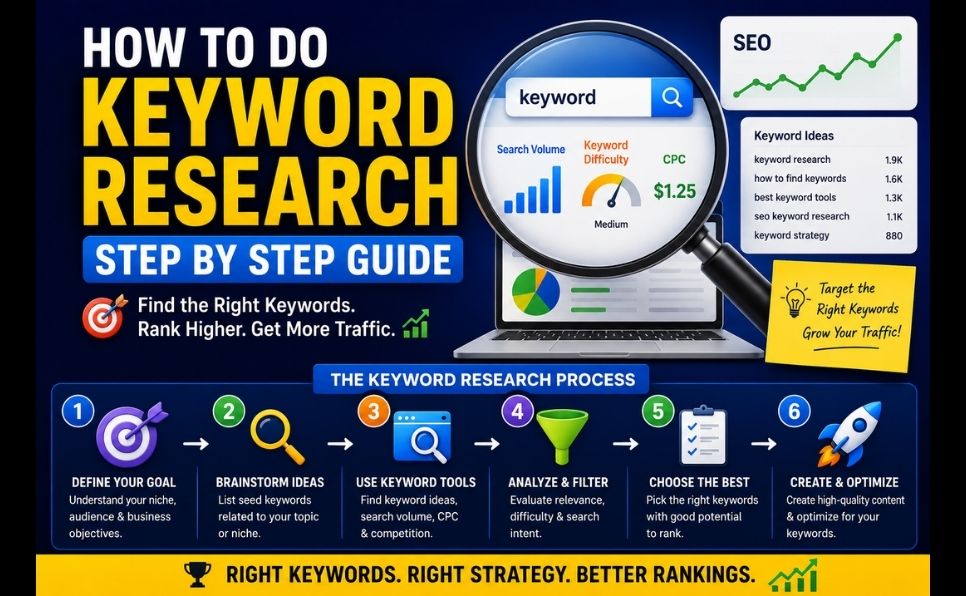
Check the “People Also Ask” boxes on Google to discover emerging trends and user questions. If you want to improve your keyword strategy further, read our complete guide on keyword research: How to Do Keyword Research Step by Step Guide

SEO improvement and keyword research strategy
Utilizing Keyword Tools Effectively
Use tools like SEMrush, Ahrefs, or Google Keyword Planner for smarter SEO decisions. They help you understand search trends, competition levels, and ranking opportunities.
Advanced keyword analysis allows you to discover valuable opportunities your competitors may be missing.
Integrating Keywords Naturally into Content
After picking your keywords, add them to your text. Don’t stuff them into sentences where they don’t fit. This can make your content hard to read.
Find natural spots for your keywords in headers, intro paragraphs, or lists. Maintaining a natural flow keeps your content engaging and tells search engines it’s relevant. This way, you improve SEO and please your readers and search engines alike.
Enhancing Content Quality
Turning average articles into top-notch resources takes focus on substance and clarity. When you update your pages, you make them better for search engines and visitors. It’s not just about fixing typos; it’s about adding real value.
Improving Readability and Engagement
People often scan digital content. So, your writing should be easy to read. Break long paragraphs into short ones. Use bullet points and simple language to keep the message clear.
Writing in the active voice keeps readers interested. Direct and punchy sentences make them want to stay longer. This shows search engines your content is valuable.
Adding Fresh Information and Resources
Old information hurts your credibility. Regularly update your articles with new data and trends. This keeps your site a trusted source in your field.
Linking to trusted external sources adds value. It shows you’re knowledgeable and have done your homework. This builds trust and makes people come back for more.
Utilizing Visuals and Multimedia
Text alone can’t hold everyone’s attention. Add images, infographics, or videos to make your content interactive. Visuals make text easier to understand and keep things interesting.
Using multimedia helps reach different learning styles. Whether it’s a chart or a video, it makes your content more engaging. High-quality visuals make your site look professional and inviting.
Updating Title Tags and Meta Descriptions
Your title tag and meta description are like your website’s digital front door. They are the first thing people see when they search online. Making them better can help more people click on your link.
Importance of SEO-Friendly Titles
A good title tag tells search engines your page is relevant. To improve ranking factors, put your main keywords at the start. Keep your titles short, under 60 characters, so they don’t get cut off.
Your title should be clear and interesting. It should match what’s on the page and offer something good to the reader. A simple title helps search engines understand your page better.
Crafting Compelling Meta Descriptions
Meta descriptions don’t affect rankings but are key for getting people to click. A good description should make people want to visit your site. Write unique summaries that show what’s special about your content.
Make sure your description is short, 150 to 160 characters, and clear. If your description matches what someone is searching for, they’re more likely to click. This tells search engines your page is a good match for that search.
Trends in Title Tag Best Practices
Search engines are getting better at showing titles. They might change your title tag to better fit what someone is searching for. So, make your titles clear and focused on the user, not just keywords.
Using brackets or numbers in titles can grab more attention. Adding the current year or specific numbers can make your content seem more timely. Always try different versions to see what works best for your audience.
Internal and External Linking Strategies
Links are like digital roads that help people and search engines find their way on your site. They make sure your best pages get the attention they need.
Strengthening Internal Links
Internal links help search engines understand your website structure and improve crawlability. Strategic internal linking also keeps users engaged by guiding them toward related resources.
For example, readers interested in improving website speed can explore our detailed guide on Page Speed Optimization: Complete Guide to a Faster Website.
If you are building a new website, understanding the basics of Web Hosting and Domain Names is equally important for long-term SEO success.
Businesses using modern AI technologies for content creation and optimization can also benefit from understanding Artificial Intelligence and its impact on digital marketing.
Adding Authoritative External Links
External links take your readers to trusted sources that back up your points. They build trust with your audience and search engines. Always vet your sources to make sure they’re accurate and useful.
Don’t link to bad or spammy sites. They can hurt your reputation. Instead, link to leaders in your field, academic journals, or official data. This shows you’re an expert and makes your content reliable.
Monitoring and Updating Links Regularly
The web changes fast, and links can break or become outdated. A broken link is bad for users and search engines. Regular audits are necessary to keep your site in good shape.
Use tools to find and fix 404 errors. Update your links to keep your content fresh and useful. Regular maintenance is key to long-term success.
Optimizing for Mobile and Voice Search
Website speed and mobile usability are now major ranking factors. Slow websites often experience higher bounce rates and lower conversions.
Improving page speed optimization and ensuring your hosting environment is properly configured can significantly improve mobile performance and user experience. You can test your website using Google’s official Mobile-Friendly Test Tool.
The Growing Importance of Mobile Usability
Most people use their phones to go online. Search engines like pages that work well on phones. This makes your site more visible.
Mobile-first indexing means Google looks at your mobile site first. If your site is hard to use on phones, you might lose visitors to easier sites.
Adapting Content for Voice Search Queries
Voice searches are like talking to a friend. They ask full questions, like “How do I fix a leaky faucet?”
To get this traffic, use natural language and long-tail keywords. Give direct answers to common questions. This helps search engines find your page for voice searches.
Testing Your Content on Different Devices
Being consistent is important to increase organic traffic everywhere. Test your pages on various devices and browsers to make sure they work right.
Use tools like Google’s Mobile-Friendly Test to find problems. By making your site work on all devices, you give everyone a great experience.
Promoting Updated Content Effectively
You’ve worked hard to make your pages better. Now, it’s time to show them off. A good plan to increase organic traffic is key. By using many ways to reach your audience, you make updates exciting.
Sharing Strategies for Social Media
Social media is great for sharing your updates. Make your posts interesting by focusing on the new stuff. Visual storytelling works well, so think about using pictures or short videos.
Chat with your followers by asking questions. This builds a community around your brand. It can help increase organic traffic over time. Don’t forget to use hashtags to reach more people.
Leveraging Email Marketing to Reach Audiences
Your email list is very valuable. Send a newsletter about your updates. Explain why they matter to your subscribers. Personalized messaging gets more people to click.
Give your readers direct links to the new content. This makes it easy for them to come back. It helps increase organic traffic by showing your site is up-to-date. Keep your emails short and sweet.
Collaborating with Influencers for Better Reach
Working with influencers can really help. When they share your work, more people see your brand. Strategic partnerships are important for growing.
Find influencers who match your niche. Give them a reason to share your content. This is a smart way to increase organic traffic and get valuable backlinks. It also makes your site more trusted.
Measuring Success After Optimization
After updating your content, monitor performance using Google Analytics and Google Search Console. These tools provide valuable insights into user behavior, rankings, impressions, and click-through rates.
By continuously tracking your data and making improvements, you can maintain strong rankings and long-term organic traffic growth.

boost search engine rankings
Setting Up Google Analytics Goals
To know if your updates are good, you need to know what success means for your site. Use Google Analytics to set goals like newsletter sign-ups or product buys. These goals help you see if your updates are better than before.
Tracking these goals shows you which updates work best. Setting clear objectives helps you ignore the rest. This way, you know exactly what’s growing your business.
Tracking Engagement Metrics
It’s also important to see how people interact with your site every day. Look at bounce rate and time on page to see if your updates are interesting. If people stay longer, it means they like what they see.
Good engagement means more people will share and come back. Checking these numbers often helps you see what’s working and what’s not.
Adjusting Strategies Based on Results
If your numbers show a page isn’t doing well, change your plan. You might need to fix your headlines or add more pictures. This makes your site better for visitors.
Keeping an eye on your numbers lets you adapt quickly. By refining your approach based on real data, your site stays valuable. This way, you keep getting better in search results.
Keeping Content Fresh: A Maintenance Plan
Seeing your website as a living project is key to growth. Regular reviews keep your content up-to-date and valuable. This makes sure your audience gets the best from you.
Every quarter, check your most popular pages. This helps your site rank better on search engines like Google. It also keeps you ahead of changes in how search engines work.
Ask your readers for their thoughts. Their feedback can show you what’s missing or unclear. This makes your brand more trustworthy and authoritative.
Being quick to adapt is your biggest strength online. Make sure to update regularly. This effort will bring more visitors and keep them engaged.