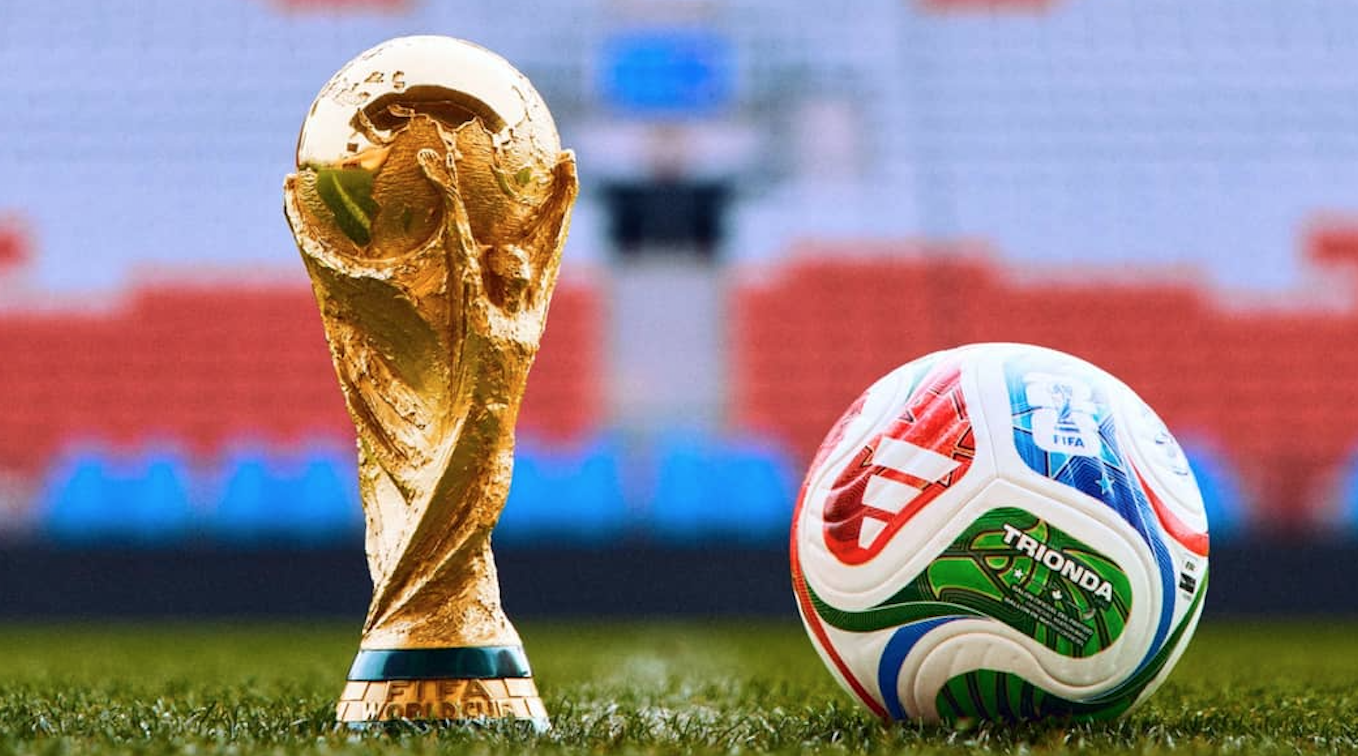
The FIFA World Cup 2026 represents one of the most significant turning points in the tournament’s long history. For the first time, the world’s most celebrated sporting event will unfold across three countries. The combined efforts of the United States, Canada, and Mexico introduce a powerful new model for global sports collaboration. With advanced stadiums, passionate fan cultures, and massive infrastructure, the 2026 World Cup promises to deliver a spectacular international experience.
A Landmark Shift in World Cup Hosting
FIFA’s decision to award the 2026 event to a unified North American bid highlights a major change in the organization’s direction. The governing body aims to expand the game’s reach while encouraging stronger global partnerships. Hosting the event across three nations demonstrates a commitment to unity, innovation, and inclusiveness.
This edition will also introduce major updates-more participating nations, additional matches, and greater emphasis on sustainable practices. These improvements aim to enhance both the competition and the overall fan experience.
Why FIFA Chose the Joint North American Bid
The United Bid stood out due to its exceptional readiness. All three host nations bring strong infrastructure, dynamic tourism industries, and proven experience in managing major sporting events.
Key strengths included:
-
A large collection of modern, high-capacity stadiums
-
Reliable transportation networks
-
Top-tier accommodations and international airports
-
A history of successfully hosting global competitions
Mexico has long been a cornerstone of international football. The United States drew global attention as host of the 1994 World Cup. Canada won praise for delivering an excellent Women’s World Cup in 2015. Together, these nations offered FIFA a robust and forward-thinking plan.
United States: The Central Stage of the 2026 Tournament
The United States will serve as the primary host for the event, staging most of the tournament’s matches, including the semifinals and the final. With massive stadiums and cutting-edge sports technology, the U.S. is poised to deliver an unforgettable global spectacle.
Leading U.S. Host Cities
The tournament will spread across several iconic American cities, including:
-
Los Angeles
-
New York / New Jersey
-
Dallas
-
Atlanta
-
Miami
-
Seattle
These cities offer vibrant cultures, modern entertainment districts, and excellent lodging options. Venues like SoFi Stadium and MetLife Stadium are expected to be among the tournament’s most memorable stages.
The Rapid Rise of Soccer in America
Football’s popularity in the United States has grown at a record pace. Major League Soccer continues to expand, youth engagement is at an all-time high, and international clubs frequently host preseason matches on U.S. soil. The 2026 World Cup will further accelerate the sport’s development and inspire the next generation of American football talent.
Canada: A Nation Strengthening Its Place in the Football World
Canada enters the 2026 World Cup as an emerging force. After decades of building its football foundation, the sport is finally gaining major traction nationwide. The men’s national team’s qualification for the 2022 World Cup further ignited excitement.
Cities Hosting Matches in Canada
Two Canadian cities will welcome fans:
-
Toronto
-
Vancouver
Each destination blends striking scenery with dynamic urban energy. Their stadiums and surrounding fan areas are ready to deliver safe, enjoyable, and memorable match experiences.
A Boost for Canadian Football Development
Hosting World Cup games will contribute significantly to Canada’s football growth. Youth academies, local leagues, and national initiatives are expected to gain momentum. This tournament will play a vital role in shaping the country’s long-term sports identity.
Mexico: Tradition, Passion, and Football Excellence
Mexico has one of the most devoted football cultures in the world. With two previous World Cups under its belt, the nation brings history and excitement to the 2026 tournament. Becoming the first country to host three World Cups is a remarkable achievement.
Mexico’s Host Cities
Mexican matches will take place in:
-
Mexico City
-
Guadalajara
-
Monterrey
Estadio Azteca, one of the sport’s most iconic stadiums, will once again be at the center of global attention. Mexican fans are known for their energy, creating an electric atmosphere that adds unmatched intensity to every game.
A Legacy of Football Passion
Mexico’s football traditions have long captivated fans worldwide. Chants, colorful fan sections, and lively celebrations ensure every match feels like a festival. This spirit will elevate the entire tournament experience.
The Expanded Format: 48 Teams for the First Time
The 2026 World Cup will introduce the largest field of teams ever. Increasing from 32 to 48 nations, this new format brings more diversity and expands opportunities for countries across the globe.
Advantages of the Expansion
The new structure offers several benefits:
-
More teams from developing football regions
-
Greater representation for smaller nations
-
More matches for fans to enjoy
-
Increased unpredictability and excitement
This approach makes the World Cup more inclusive and exposes fans to new playing styles and rivalries.
Economic and Tourism Growth Across North America
The combined hosting effort is expected to generate enormous economic impact. Millions of football fans from around the world will travel across the three nations, benefiting local businesses, hotels, restaurants, and transportation industries.
Key Economic Benefits Expected
-
Creation of new jobs
-
Increased tourism and visitor spending
-
Long-term sports infrastructure improvement
-
Stronger international visibility for host cities
The financial and cultural impact of the World Cup will continue to be felt long after the final whistle.
Travel Convenience and a Fan-Focused Experience
North America’s well-developed transportation systems will allow fans to travel easily between host cities. Major airports, high-speed highways, and efficient public transit networks will support smooth and enjoyable travel.
Entertainment Options for Visitors
Each host city plans to offer:
-
Large outdoor viewing areas
-
Cultural and music festivals
-
Interactive football-inspired activities
-
Safe and welcoming fan zones
Visitors will have opportunities to enjoy both the matches and the unique cultural experiences each city provides.
Technology, Security, and Stadium Innovations
The 2026 World Cup will make extensive use of modern technology to keep fans safe and improve convenience. From digital ticketing to advanced security tools, the tournament is set to be one of the most technologically advanced World Cups ever.
Stadium Enhancements Include
-
Clear, high-definition displays
-
Improved seating and visibility
-
Climate-controlled zones
-
Faster entry systems for reduced wait times
These features will create a smooth and enjoyable matchday environment for millions of supporters.
A Green and Responsible World Cup
Sustainability is a key priority for the 2026 event. The use of existing stadiums significantly reduces environmental impact. Host cities are also planning green initiatives to support eco-friendly operations.
Sustainability Measures Include
-
Expanded recycling programs
-
Energy-efficient stadium upgrades
-
Eco-conscious fan events
-
Reduced carbon emissions through transit options
These steps highlight a modern approach to hosting major global events.
Long-Term Legacy of the 2026 World Cup
The influence of the 2026 World Cup will extend far beyond the matches themselves. The event will shape football’s future across North America and strengthen international unity.
Long-Term Improvements Expected
-
Greater participation in youth football
-
Support for growing professional leagues
-
Stronger community sports programs
-
Enhanced collaboration among the three nations
This tournament will inspire millions and build a stronger global football community.
A Celebration of Global Unity and Football’s Power
The FIFA World Cup 2026 is more than a competition. It is a celebration of diversity, unity, and global passion for the game. The joint hosting by the United States, Canada, and Mexico sends a powerful message of cooperation and shared ambition.
Fans from every continent can look forward to an unforgettable month of football. With expanded teams, innovative planning, and unmatched hospitality, the 2026 World Cup is set to redefine the tournament for the modern era.