Ever wondered why your blog post is invisible?
Many creators face this problem. Knowing how to index your website fast is key.

Automated systems look for new pages. You can help them find yours. Learning to get indexed on google fast is important.
This guide shows how to index your site quickly. We’ll use the google search console. Follow these steps to get seen faster.
Key Takeaways
- Rapid indexing is essential for maintaining a competitive edge in digital results.
- Automated systems rely on specific signals to discover and rank new web pages.
- Using professional tools helps you notify engines about your latest updates.
- Strategic planning reduces the time between publishing and public visibility.
- Consistent monitoring of your site status improves overall performance and reach.
You can also read our detailed guide on crawled currently not indexed fix to understand why your pages are not appearing in search results.
Understanding the Mechanics of Google Indexing
Knowing how a webpage gets indexed is key for website owners. Google uses software called Googlebot to explore the internet. By following webmaster rules, sites can be ready for Google to check.
If you’re managing a hosting-based website, tools like WHMCS for web hosting can help automate and manage your website operations more efficiently.
How search engine crawlers discover new content
Crawlers find new pages by following links. When Googlebot visits, it looks at the HTML code for links. This helps it find new content easily.
Also, submitting a sitemap helps search engines find your site. It’s like a map that shows them where to go. This is important for getting found online.
The difference between crawling and indexing
Crawling is when Googlebot visits your site to explore. It looks for new links. But, this doesn’t mean your page will show up in searches.
Indexing is when Google checks your page’s content and images. If it’s good, it gets added to the database. This is how your page can show up in searches.
Why some websites face indexing delays
Some sites take a long time to get indexed. This can be because of server errors or a site that’s hard to crawl. These problems can make it hard to get seen online.
Following webmaster guidelines can help. Keep your site simple and fix broken links. This makes it easier for search engines to find your pages.
Setting Up and Configuring Google Search Console
To control your website’s search results, start by setting up your google search console account. This tool connects your web server to search engines. It shows how your pages are crawled and indexed.
If you need professional help with setup and optimization, you can explore our SEO & digital marketing services.
Verifying your domain property
Verification shows Google you own your website. You can pick between a domain or URL property. Domain verification is better because it covers all subdomains and protocols.
To verify, add a DNS record at your domain registrar. Google will check this record to confirm you own it. This step is needed before you can see any performance data.
Configuring user permissions and settings
Managing who can access your account is key. In settings, you can add team members or SEO experts. Choose roles based on what they need to do.
Owners have full control, while others can only see data. It’s smart to check these permissions often. This keeps your google search console “4” safe and tidy.
The dashboard shows your site’s health at a glance. Look at the index coverage report to find important issues. It shows indexed pages and those with errors.
By exploring the sidebar, you can find tools for URL inspection and sitemap submission. Knowing these metrics helps you make smart choices. Regularly checking these insights keeps your site healthy in search results.
Creating and Submitting an XML Sitemap
A good XML sitemap helps search engines find your site. It lists your most important pages. This helps search engines understand your site better.
Best practices for generating a clean sitemap
Keep your sitemap clean and simple. Only include URLs you want indexed. Don’t add broken or redirected pages.
Don’t include pages with little content. This saves crawl budget. Keep your sitemap updated with new content.
How to submit your sitemap via Google Search Console
After making your sitemap, submit it to Google. Log in to Google Search Console. Go to the “Sitemaps” section.
Enter your sitemap URL and click submit. Google will check your file. If it’s right, you’ll see a success message.
Monitoring sitemap status and error reports
Check your sitemap status often. Google shows if there are problems. Common issues are syntax errors or blocked pages.
Fixing these problems helps your site rank better. Regular checks keep your site visible to users.
Utilizing the URL Inspection Tool for Priority Indexing
Google Search Console has a cool tool called the url inspection tool. It helps you see how Google sees your website pages. This info helps you make your site more visible online.
Requesting indexing for individual pages
When you add new content or update a page, you can ask Google to index it. Use the url inspection tool to do this. It tells Google your page is ready to be checked out.
Just type the page URL into the search bar. Then, click “Request Indexing” to put it in the fast lane. This is great for content that needs to show up fast.
Troubleshooting common URL inspection errors
Sometimes, the tool shows errors like “URL is not on Google” or “Crawled – currently not indexed.” These messages help you find out why your page isn’t showing up.
Look at the “Coverage” section for more details. If your page isn’t indexed, it might be because it’s not crawled yet. Or it might be blocked for quality reasons. Fixing these issues keeps your site healthy and visible.
Identifying crawl anomalies and blocked resources
A good google seo tool finds problems that stop indexing. The inspection tool shows if your robots.txt robots.txtfile blocks important pages. It also finds “noindex” tags that tell Google to ignore pages.
In the “Page resources” section, check if scripts or CSS files are blocked. If they are, Google might not show your page right. Fixing these issues helps your site rank better.
Optimizing Website Architecture for Faster Crawling
Learning about site architecture is key for SEO. A good layout helps search bots find your pages quickly. This makes sure search engines can find your content easily.
A well-structured website is part of a complete SEO strategy. Learn more about us and how we help websites grow.
Structuring your internal linking strategy
Internal links help crawlers move through your site. Linking important pages together spreads authority. This helps Google understand your content better.
Don’t use “click here” for links. Use keywords that tell what the page is about. This makes it easier for Google to understand your site.
Managing crawl budget through site hierarchy
Crawl budget is how many pages Googlebot visits in a time. A deep site can make it hard for bots to find important pages. Keep key pages close to the homepage.
A simple site structure helps Google find new content fast. Focus on high-value pages to get them indexed quickly. This is important for managing your site well.
Removing duplicate content and thin pages
Thin pages offer little value and waste crawl budget. They confuse search engines and weaken your site’s authority. It’s important to remove or merge these pages.
Duplicate content also wastes time for crawlers. When many URLs have the same info, Google has to choose which to index. Removing duplicates keeps your site healthy and focused on quality content.
Leveraging Technical SEO to Improve Website Performance
Building a strong online presence needs focus on technical stuff. Keeping your seo website clean and efficient helps search engines find and rank your content. This makes your site easy to visit and reliable for everyone.
Implementing robots.txt files correctly
The robots.txt file tells search engine crawlers what to do. It’s in your root directory. It says which parts of your site to ignore or crawl.
This stops bots from wasting time on things like admin dashboards or temporary files. Always check your file to avoid blocking important content. A small mistake can cause big problems with search visibility.

Duplicate content can confuse search engines and lower your ranking. Canonical tags tell Google which page is the main one. This helps your ranking and makes sure your best content gets noticed.
Use these tags on pages with similar content or different URL parameters. This keeps your index clean and improves your site’s health.
Improving page load speed and mobile responsiveness
Users today want fast sites and good mobile experiences. Search engines also value these things. They think fast sites make users happy.
Use a google seo checker to find what slows your site down. Also, keep your site safe with site security monitoring. This makes your site better for rankings and keeps users coming back.
Building High-Quality Backlinks to Encourage Discovery
External links show search engines your site is valuable. When big sites link to you, it’s like a thumbs up. This makes search engines trust your site more.
The role of external signals in crawler frequency
Search engines use bots to find new content. If your site has lots of links, bots visit more often. This means your new content shows up in search results quicker.
Make content that people want to share. Focus on original research or helpful guides. Building real connections with others is key.
Guest blogging on big sites can get you good links. Pick sites that fit your topic well. Stay away from bad link farms.
Monitoring your link profile for search appearance optimization
Check your backlinks often to keep your site healthy. Use tools to find bad links. Remove them to avoid penalties.
Watching your links helps your site look better in searches. This keeps users and search engines happy. Regular checks help you grow your online presence.
Analyzing Search Performance and Traffic Data
You can turn numbers into plans by looking at your search performance. Making decisions based on data is key for a good digital marketing plan. By checking your numbers often, you learn how people find and use your content.

Interpreting search queries and click-through rates
Looking at search queries shows what users want. When you check your search data, notice which terms get the most clicks. If many people see your page but don’t click, your titles or descriptions might need work.
Improving these can help more people see your page. Matching your content to what users search for makes their visit better. This is a big part of keeping an eye on your website’s traffic.
Using keyword ranking reports to identify indexing gaps
Keyword ranking reports help find chances you’re missing. If a “keyword” is searched a lot but your site isn’t found, it might be an indexing problem. Make sure Google can find and index your pages.
At times, a page might not be indexed because of technical issues or blocks. Watching how “keyword” “usage” spreads across your site helps focus on important topics. Regular reports show where you need to improve before it hurts your business.
Adjusting content strategy based on search analytics
Good search analytics let you change your plan based on results. If some content does well, think about making more like it. Use this data to update old posts or make new ones that meet user needs.
Remember, SEO is always changing. By keeping your strategy sharp with data, your site stays ahead. This forward-thinking is how you keep growing in search rankings.
Adapting to the Evolution of SEO in 2026
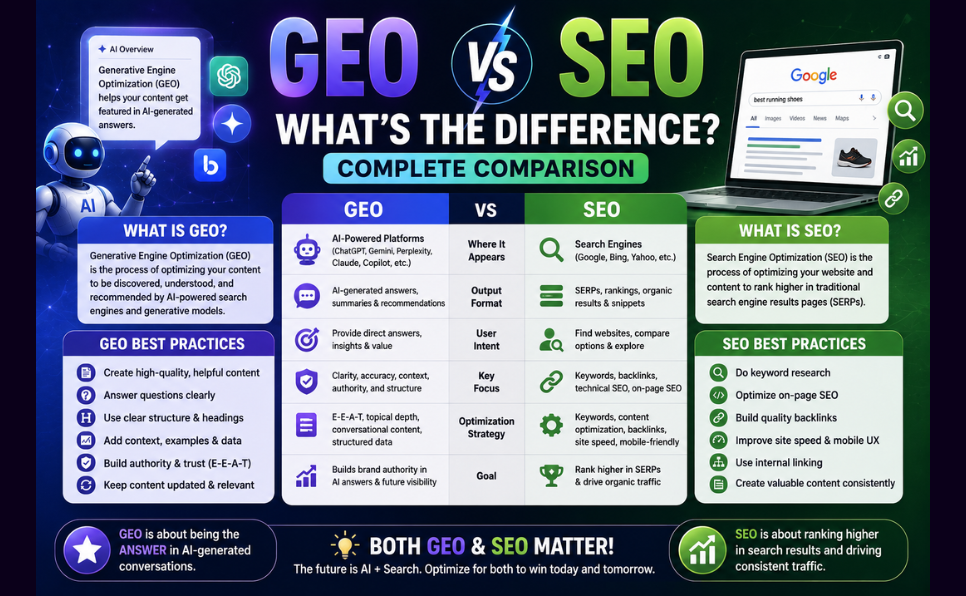
2026 is bringing big changes to the web. Generative AI and personalized search are changing how we use the internet. Businesses need to change their ways to stay seen online.
Is SEO dead or evolving in 2026
Many wonder if SEO is dead or just changing in 2026. The truth is, SEO is not dying. It’s getting smarter and more connected to how we use the web.
Now, search engines look at what you want and the context, not just keywords. Old SEO tricks don’t work anymore. But finding your way online is more important than ever. It’s key to keep up with these changes to succeed.
Understanding the four types of SEO for modern ranking
To get ahead, you need to know the four main types of SEO. These are technical, on-page, off-page, and content-driven SEO. Experts often ask about these four types.
Technical SEO makes sure your site is easy for search engines to find and fast. On-page SEO improves each page on your site. Off-page SEO builds your site’s authority through other sites. Content-driven SEO makes sure your content meets what users need. Mixing these four is key to a strong SEO plan.
How to improve SEO for Google ranking in 2026
To boost your Google ranking in 2026, start with great content. Google likes sites that offer real value and answer questions. Make sure your content is thick and full of information.
Also, work on making your site fast and easy to use on phones. These things help keep people on your site. Keep an eye on how your site is doing to make it better.
Remember, being consistent is important for better Google rankings. Keep up with new rules and be ready to change your strategy. By doing this, you’ll build a strong online presence that will last.
Conclusion
To get your site indexed fast, you need to be precise and keep your content fresh. You now know how to manage your site’s structure and submit sitemaps. You also know how to check your site’s performance with Google Search Console.
Using these tips will make your pages show up in search results quicker. You might want to take a free google seo course with a certificate. This can help you learn more about digital practices.
Getting a google seo certification shows you’re serious about your work. It proves you can keep up with search engine changes. Start making these changes today to see your website traffic grow.
Your work to improve your site’s search ranking never stops. Always try new things and update your methods based on what you learn. The key to success online is to stay curious and keep moving forward.
If you want faster results and expert guidance, feel free to contact us for professional SEO support.