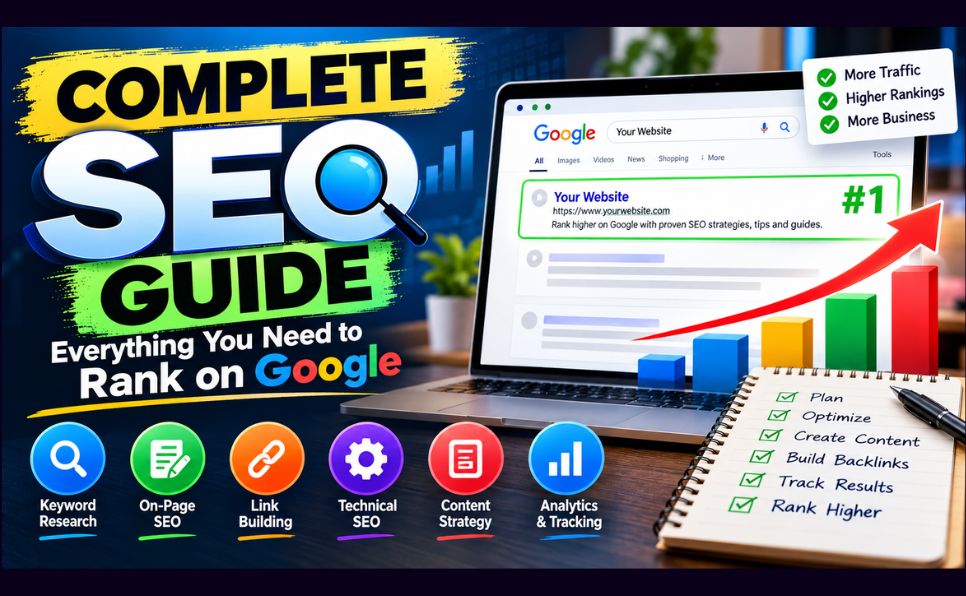
Ever wondered why your website doesn’t rank high? It might be because of hidden issues. A site that’s hard for crawlers to read won’t do well in the UK market.
Knowing how to fix your site’s backend is key. This technical seo checklist (complete guide) teaches you the basics. It helps you check and boost your online presence.

This technical seo complete guide is your go-to for keeping your site healthy. You can find a technical seo checklist complete guide pdf or a technical seo checklist complete guide free online. These steps help your site stay seen by search engines.
Key Takeaways
- Understand the critical role of backend health in search rankings.
- Learn how to audit your site for better visibility in the UK.
- Identify common crawl errors that hinder your performance.
- Implement structural changes to improve user experience.
- Use this resource as a long-term reference for site maintenance.
Understanding the Fundamentals of Technical SEO
Building a great website needs to know how search engines work with it. Technical SEO makes your site’s backend better for search engines to find and show your content. Without this, even the best content might not be seen by many.
Many experts use a technical seo checklist pdf to check everything important. This helps find and fix hidden problems that slow down your site. Fixing these issues early helps search engines find your pages easier.
A detailed checklist of technical seo is like a guide for keeping your site healthy. It includes things like how fast your site loads, if search engines can find it, and if it’s secure. Learning these basics helps make your website strong and friendly to search engines in the UK.
Step 1: Optimizing Website Performance and Speed
A fast website is key to top search rankings. Quick loading times improve user experience and lower bounce rates. This makes visitors more likely to stay and explore.
Improving website performance needs a careful plan. Focus on speed to make your site smooth and reliable for users and search engines.
Analyzing Core Web Vitals
Core Web Vitals measure webpage speed and stability. They focus on loading, interactivity, and visual stability.
Watch Largest Contentful Paint (LCP) for quick main content loading. Track Interaction to Next Paint (INP) for site responsiveness. Cumulative Layout Shift (CLS) checks for page stability during loading.
Implementing Caching and Compression
Effective technical seo steps reduce data transfer. Caching stores site files locally for faster repeat visits.
Compression tools like Gzip or Brotli shrink file sizes. This makes your server deliver content efficiently.
Optimizing Image Delivery and File Sizes
Large images slow down websites. Use modern formats like WebP for better compression. This keeps your site fast without losing visual appeal.
Use lazy loading for images. Resize images to fit their display size. These steps keep your site fast and visually pleasing.
Step 2: Ensuring Mobile Responsiveness and Usability
Getting your site to work well on phones is very important. Most people in the UK use their phones to go online. If your site doesn’t work well on phones, people might leave quickly.
Testing Mobile-Friendly Layouts
Check your site often to make sure it works on all devices. Use tools like Google Search Console to find problems. Testing helps keep your site easy to read on phones.
It’s also good to test on real phones. See how menus, pictures, and text look on a phone. This is key for good SEO.
Improving Touch Target Accessibility
Buttons and links that are too small can upset users. On phones, they need to be big enough to tap easily. Making them bigger helps a lot.
Try to make touch targets at least 48×48 pixels. This lets everyone tap without mistakes. A good site is easy to use, which helps people stay longer.
Managing Viewport Configurations
The viewport meta tag is very important. It tells browsers how to show your site on phones. Without it, your site might look tiny on phones.
Make sure your site has the right viewport tag. This makes your site look good on any screen. Good viewport settings are essential for a great mobile experience.
Step 3: Mastering Crawlability and Indexing
Crawlability and indexing are key for your online presence. They decide if your content shows up in search results. If search engines can’t find your site, your work stays hidden.
Configuring Robots.txt Files
The robots.txt file tells search engine crawlers what to do. You can effectively guide bots to your best pages and keep others away. This saves your crawl budget for important content.
Make sure your instructions are clear and right. A small mistake can keep search engines from seeing your site. Test your settings in Google Search Console often to keep your site healthy.
Optimizing XML Sitemaps for Search Engines
An XML sitemap is like a map for search engines. It shows your website’s structure. By keeping it updated, you help search engines find your new content fast. Prioritizing your most valuable pages in the sitemap helps crawlers work more efficiently.
Submit your sitemap to search engine consoles to speed up discovery. Keep the file small and remove broken links or pages that are redirected. This helps crawlers focus on your live content.
Resolving Crawled Not Indexed Issues
Many site owners see the “crawled not indexed” status. This means search engines found a page but didn’t think it was valuable enough. To fix this, you need to make your content better and more relevant.
For a solution, read a good crawled not indexed article. It can give you the technical tips you need. Also, learn how to index faster article content by improving internal linking and making sure your pages offer unique value. Fixing these technical issues can greatly improve your site’s search performance.
Step 4: Implementing Structured Data and Schema Markup
Structured data can really help your site show up better in searches. It’s like a special code that tells search engines what your content is about. This way, you’re not just showing text, but a map of your info.
Adding JSON-LD for Rich Snippets
JSON-LD is the best way to add schema markup to your site. It lets you add code to your pages without messing up how they look. The main plus of JSON-LD is how easy it is to keep up with your data.
When you use JSON-LD right, search engines can show rich snippets in search results. These can include things like star ratings or prices. Rich snippets can make more people click on your site because they look better and are more helpful.
Validating Schema with Google Tools
After adding your markup, you need to check it’s correct. A tiny mistake can stop search engines from getting your data. Always use Google’s Rich Results Test to check your work.
These tools tell you if your markup is good for rich features. Checking often keeps your site up to date with search engine rules. This helps your content shine in a busy online world.
Step 5: Managing Meta Tags and URL Structure
Setting up meta tags and URL structures is key for a good search presence. A clean site makes it easy for search engines to understand your content. This helps avoid mistakes that slow down your site’s growth.

Standardizing Canonical Tags
Canonical tags tell search engines which page is the main one. Without them, your site might face duplicate content problems. Standardizing your canonical links helps all authority go to the right URL.
Put self-referencing canonical tags on every page. This stops unwanted duplicates and tells crawlers which version to use.
Optimizing Title Tags and Meta Descriptions
Your meta tags are the first thing users see in search results. A good title tag is short, relevant, and has your main keyword early. It tells users what your page is about before they click.
Meta descriptions are like ads in search results. They don’t affect rankings but are key for getting more clicks. Keep them under 160 characters for full display on all devices.
Creating SEO-Friendly URL Slugs
A clean URL structure helps users and search engines understand your site. Make slugs descriptive, lowercase, and use hyphens. Avoid long numbers or random characters for a professional look.
Keep URLs short and on topic. Remove stop words to make paths clear and easy to read. This makes your site easier to navigate and helps search engines index it better.
Step 6: Enhancing Internal Linking and Site Architecture
A good website structure is key for both users and search engines. This article talks about making your site easy to navigate. It helps search engines find your best content faster.
Building a Logical Hierarchy for Services and Contact Pages
Your site should focus on pages that help your business grow. Make sure your services page is easy to find. This tells search engines it’s important.
Your contact page should be easy to get to. This makes users happy and keeps them on your site longer. A clear path keeps visitors interested in what you offer.
Fixing Broken Links and Redirect Chains
Broken links hurt your site’s trust and search rankings. If a link doesn’t work, users leave fast. Regular audits help find and fix these problems.
Redirect chains slow down your site. They make browsers ask for things they don’t need. Streamlining your URL structure makes your site faster and more reliable.
Step 7: Integrating Technical SEO with On-Page and Off-Page Strategies
To get to the top of search rankings, you need to mix technical, on-page, and off-page efforts well. Your site’s backend must work well with your content and efforts to build authority. This mix is key to getting good results.

Aligning Keyword Research with Technical Foundations
Good keyword research is like a map for your site. Make sure your technical setup, like URL structures and links, matches your keywords. This helps search engines understand your content better.
Balancing On-Page Optimization with Technical Health
Having a detailed on page seo checklist is important for a healthy site. Use a on page seo checklist pdf to check each page. This makes sure your site is good for both users and search engines.
Consistency is key in managing these things. Check your pages often to keep meta tags, headers, and content up to standard. This balance stops problems like bad user experience.
Monitoring Backlink Profile Integrity
Your off-page optimization work is as important as your technical setup. Use a off page seo checklist to watch your site’s authority and find risks. It’s important to keep an eye on your backlink profile to avoid bad links and keep a good reputation.
Proactive monitoring helps you catch problems early. By combining off-site signals with your technical setup, you build a strong strategy. This approach is the best way to improve your search engine ranking.
Step 8: Utilizing Professional Tools for Technical SEO Audits
Keeping your website healthy means watching it closely and using the right tools. Doing regular checks is key for your website’s success. This way, you can find problems early and fix them before they hurt your site’s ranking or how users see it.
Selecting the Right Technical SEO Checker
Picking a good technical seo checker is very important. These tools help find broken links, crawl errors, and slow spots. Choose ones that give you detailed reports and advice, not just numbers.
A great tool fits well with how you work. It should tell you how to fix problems quickly. Automation is key to doing more without checking every page by hand.
Interpreting Data from Google Search Console
Google Search Console is the best place to learn how search engines see your site. Understanding this data helps you make smart choices for your Technical SEO. Look at the “Indexing” and “Experience” reports to find things that need fixing fast.
If the data seems too much, think about taking a technical seo course. These courses teach you to use these tools better. They keep you up-to-date with new trends and changes in algorithms. Knowing how to use these tools makes your site better for search engines.
Step 9: Advanced Technical Considerations for Specific Platforms
Getting complete technical seo means dealing with special software needs. Most sites follow the same rules, but some need special care. This ensures search engines can find and list your site well.
Handling WHMCS Technical SEO Requirements
WHMCS sites have their own set of problems. A whmcs article shows that they can have duplicate pages or URLs that confuse search engines. Using canonical tags is key to solving this and keeping your site indexed right.
It’s also important to make sure your site’s search and checkout work for search bots. A technical seo checklist wscube tech can help find and fix these issues. Making sure your client info is easy for search engines to find is a big step.
Managing Dynamic Content and JavaScript Rendering
Today’s sites use JavaScript to load content, which can block search engines. If search engines can’t run your scripts, they might see nothing. This can hurt your site’s visibility.
To get complete technical seo, watch how your site handles dynamic data. Use tools that mimic search engines to find and fix problems. By focusing on these technical tweaks, your site’s dynamic parts can improve user experience without hurting search rankings.
Conclusion
Building a great website needs constant care and upkeep. You now know how to check your site and make it better for search engines. This includes using structured data and making your site fast.
Doing well in digital marketing means you must keep up with new search rules. Keep our technical seo checklist complete guide pdf handy. It helps your team do the right things when updating your site. This keeps you ahead in the UK market.
Use our technical seo checklist pdf for every new project. It makes hard tasks easier and keeps your site strong. Working hard will help your site rank better and make visits smooth.
Begin using these tips today to grow your website traffic. Your hard work will make your site rank higher. Stay active and keep your online space in top shape for success.