
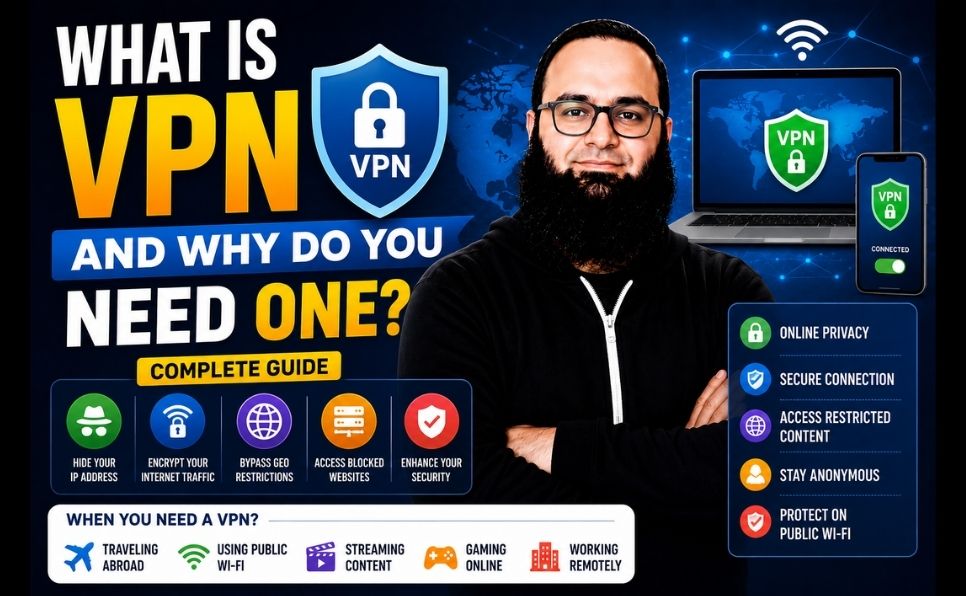
Ever wonder if your online activities are really private? In today’s world, keeping your digital life safe is key. Knowing about online security is important for everyone.
A Virtual Private Network, or VPN, is like a safe tunnel for your internet. It hides where you are and keeps your data safe. This makes it hard for others to see what you’re doing online.

Cyber threats have grown a lot in the last ten years. They’re now serious threats to our personal info. Keeping your data safe is not just a good idea; it’s a must. Using VPNs helps keep your private stuff private and safe from unwanted eyes.
Key Takeaways
- Encryption protects your sensitive data from hackers on public networks.
- Masking your IP address helps maintain your anonymity online.
- Modern digital threats make personal cybersecurity a daily requirement.
- Using these tools prevents internet service providers from tracking your history.
- Securing your connection is essential for safe remote work and banking.
Defining What Is VPN and How It Works
A vpn definition is about making a private, safe tunnel for your data. It connects your device to the internet in a safe way. This keeps your online actions hidden from others.

The Technical Foundation of VPN Encryption
The main power of VPN is vpn encryption. When you connect, your data turns into unreadable code. This stops hackers and others from seeing your private info.
It uses strong codes to keep your data safe. Even if someone tries to grab it, they won’t get anything useful. This secure tunneling is key to keeping your online world safe.
How VPN Technology Masks Your IP Address
Every device online has a special ID called an IP address. This shows where you are and what you do online. vpn technology hides this by using the VPN server’s IP instead.
This makes it look like you’re somewhere else. It helps you stay private and keeps your online actions secret. It’s a big help for keeping your digital life private.
Distinguishing Between VPN Protocols
Not all VPNs are the same. They use different ways to send your data. Knowing what is VPN means picking the right one for you. Some are fast, others are very secure.
OpenVPN is reliable, while WireGuard is quick and modern. Choosing the right one means your vpn encryption works well. It keeps your data safe without slowing you down.
Core Benefits and Security Advantages
A secure tunnel for your internet traffic gives you extra protection. It keeps your online activities safe from unwanted eyes. Learning about vpn benefits helps you control your digital world.
Protecting Sensitive Data on Public Wi-Fi
Public networks in coffee shops or airports are not safe. Hackers can easily get your private info. Vpn security keeps your data safe, even if the network is not.
Wondering what does a vpn protect you from when using public Wi-Fi? It keeps your passwords, credit card numbers, and emails safe. This is key for travelers or remote workers.
Enhancing Online Privacy and Anonymity
Your ISP tracks your online activities and logs your history. They might sell this info to advertisers. Choosing vpn privacy hides your IP address and keeps your identity safe.
Using a VPN makes your online habits private. It keeps your location and identity hidden. This is important in today’s world of constant data collection.
Bypassing Geo-Restrictions and Censorship
Many websites and streaming services block content based on where you are. This can stop you from watching news or shows while abroad. A good VPN lets you access content from other countries.
These tools are also important for people in places with strict internet rules. They let you see the internet freely, no matter where you are. Using vpn benefits means you can see the world’s information without limits.
Common Use Cases for VPN Technology
VPN uses are everywhere, from offices to home gaming. They help keep our digital lives safe. Knowing how to use them can protect our data every day.
Remote Work and Secure Corporate Access
Many companies need employees to use VPNs at home. This vpn technology makes a safe tunnel. It keeps company secrets safe, even in public places.
Protecting Personal Information During Online Banking
Online banking needs careful steps to avoid identity theft. A VPN adds strong encryption to your bank connection. It stops hackers from getting your login or money info.
Gaming and Reducing Latency
Gamers use VPNs to get to game servers faster. Choosing a server near the game can cut down lag. It also hides your home IP from DDoS attacks.
Safe Torrenting and Peer-to-Peer File Sharing
Sharing files online can reveal your IP. A VPN hides your true identity. It keeps your online activity private. This is why many people use VPNs for safe file sharing.
Potential Disadvantages and Limitations
Before you use a VPN, think about the disadvantages of using a vpn. These tools are great for security, but they’re not perfect for everything. Knowing their limits can change how you use the internet.
Impact on Internet Connection Speeds
One big problem is slower internet speeds. This is because your data is encrypted and sent through a server first.
The distance to the VPN server matters a lot. Encryption overhead also slows things down, making streaming or big downloads harder.
The Reality of Free VPN Services
Many wonder, is vpn free safe? The truth is, free VPNs are not cheap for providers.
They make money by selling your data to advertisers. Or they give you weak connections that don’t protect you.
Legal and Ethical Considerations
Using a VPN is legal in some places but not others. In the U.S., it’s okay, but other countries might not allow it.
You must follow local laws and website rules. Ethical usage means not using VPNs for bad things. They’re for keeping your privacy, not for wrongdoings.
Step-by-Step Guide to Choosing a VPN Service
Choosing a VPN can be hard with so many options. This vpn guide helps you find the right one. Focus on key points to keep your data safe.
Evaluating Privacy Policies and No-Logs Claims
When picking vpn services, privacy is key. Look for a no-logs policy checked by outsiders. This means your online actions stay secret.
A good company tells you what data they collect. Stay away from those that keep logs. This could lead to your info being shared. Always check the details to make sure your privacy is their main goal.
Assessing Server Network Size and Locations
The size and spread of a VPN’s servers matter a lot. A big network means faster and more reliable connections. This is because there’s less chance of server overload.
Also, having servers in many places helps you get around online blocks. If you want to see content from certain countries, check if the VPN has servers there. A wide network means you can always find a good connection, no matter where you are.
Comparing Subscription Costs and Money-Back Guarantees
Price is important, but don’t just look at it. Many VPNs offer discounts for longer plans. But, think about what you get for your money first.
Make sure there’s a money-back guarantee before you sign up for a long time. This lets you try the service at home. If it’s not good, a good refund policy protects your money.
How to Download and Install VPN Software
Getting a VPN installed is the last step to keep your online life safe. First, pick a good VPN provider. Then, get the vpn software on your main devices. This is easy, even if you’re not good with tech.
Downloading Official Clients from Trusted Sources
Always download your vpn from the provider’s website. Don’t use app stores or fake links. They might have bad stuff that harms your computer.
Running the Installation Wizard
After downloading, find the file and double-click it. The wizard will help you set it up. Make sure to give the software the right permissions.
Creating Your Account and Logging In
After setup, open the app. You’ll need to make an account with a strong, unique password. Then, your VPN is ready to protect your online actions.
Configuring VPN Settings on Android and Desktop
After picking your VPN provider, it’s time to set it up on your devices. This makes sure your online activities are private and safe. Just a few tweaks can make a big difference in your security.
Setting Up VPN on Android Devices
Many ask about VPN on Android. First, download the app from the Google Play Store. This keeps your device up to date with security updates. Then, log in and give the app the right to manage your internet.
In the app’s settings, pick your preferred protocol. Most apps choose the best option for you automatically. This keeps your browsing safe without needing to change settings often.
Configuring Desktop Clients for Windows and macOS
Desktops offer more control over your internet. After installing, go to the preferences to customize. You can choose between protocols like OpenVPN or WireGuard for better speed or security.
Make sure the app starts automatically when you turn on your computer. This keeps you safe from the start. It also means you won’t forget to turn on your VPN when you need it.
Understanding Kill Switch and Auto-Connect Features
The Kill Switch is a key feature for privacy. It blocks all internet traffic if your VPN connection drops. This keeps your real IP address safe from others.
The Auto-Connect feature is handy. It connects you to a secure VPN whenever you’re on an untrusted network. This is great for switching between different networks. These features work quietly to protect your data.
Best Practices for Maintaining Your VPN Connection
Keeping your online connection safe is a job that never ends. You need to keep checking your vpn connection to stay safe from new threats. Simple habits can help keep your privacy safe all the time.
Deciding When Should VPN Be On or Off
Many people wonder if they should use VPN all the time. It’s best to use it whenever you’re online. This keeps your data safe and your IP hidden.
But, there are times when you might turn it off. Some apps or services might not work if they think you’re not in a certain place. If that happens, you can turn off your VPN, do what you need, and then turn it back on.
Regularly Updating Your VPN Software
Developers often update their software to fix bugs and make it better. Make sure your client is set to update automatically. Old software can make your device vulnerable to new threats.
Updates also make sure your VPN works well with the latest websites and services. Keeping your app up to date is a key way to protect your online self.
Monitoring Connection Stability and Leak Tests
Even with a top-notch VPN, it’s smart to check if your data is safe. A leak test shows if your real IP or DNS is being seen by your ISP. You can use free online tools to check if your privacy is good.
If your VPN connection keeps dropping, look for a kill switch. This feature stops your internet if the VPN fails, so your data stays safe. Checking these things often helps you stay safe online.
Conclusion
Digital safety is more than just a software. It’s about being careful with your data and how you use the internet.
Many people look for answers on what is vpn and why do you need one reddit. They want to know from others who have tried it. These talks show that keeping your privacy is an ongoing task.
You now know how to keep your network safe. Learning from a good vpn tutorial helps you understand encryption and picking servers.
Regular upkeep keeps your connection strong and safe. Make sure your software is always up to date. This helps fight off new dangers online.
Start taking care of your online safety today. Use these tips to keep your identity safe and enjoy a safer internet.