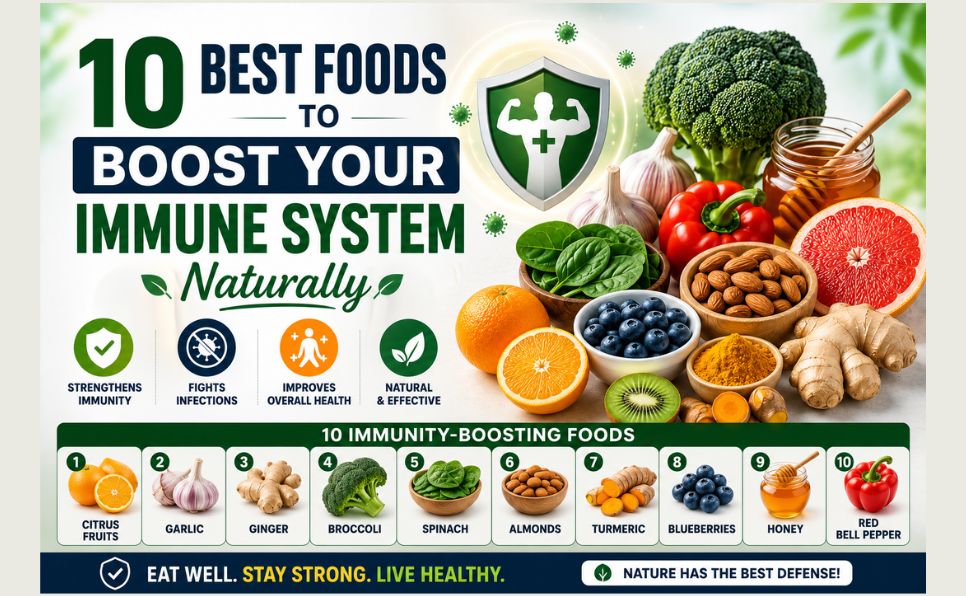
Your immune system is your body’s most sophisticated defense network — fighting off viruses, bacteria, and disease every single day without you even noticing.
But your immune system doesn’t operate in isolation. What you eat plays a direct, measurable role in how well it functions. According to Harvard T.H. Chan School of Public Health, poor nutrition is one of the leading causes of immune deficiency worldwide.
The good news? You don’t need expensive supplements or complicated protocols. The most powerful immune-supporting nutrients come from real, whole foods — many of which are affordable and widely available.
In this complete guide, you’ll learn:
- How your immune system actually works
- The 10 best foods for immune support (backed by science)
- Key nutrients that drive immune function
- Practical ways to add these foods to your daily diet
- Lifestyle factors that work alongside nutrition
Let’s build a stronger immune system — one meal at a time. 👇
How Your Immune System Works (Simple Overview)
Before diving into food, it helps to understand what you’re supporting.
Your immune system has two main components:
| Component | What It Does |
|---|---|
| Innate immunity | First line of defense — immediate, non-specific response to threats |
| Adaptive immunity | Learns from past infections — produces targeted antibodies |

Both require a constant supply of vitamins, minerals, antioxidants, and other nutrients to function properly. When these are deficient, your immune response weakens — making you more susceptible to illness and slower to recover.
Key immune-supporting nutrients:
- Vitamin C — antioxidant, supports white blood cell production
- Vitamin D — regulates immune response, reduces inflammation
- Zinc — essential for immune cell development and signaling
- Selenium — powerful antioxidant, supports immune cell function
- Beta-glucans — stimulate immune cell activity
- Probiotics — support gut immunity (70% of immune system is in the gut)
- Antioxidants (polyphenols, flavonoids) — protect immune cells from damage
The 10 Best Foods to Boost Your Immune System
1. Citrus Fruits — Vitamin C Powerhouses
Why they work: Citrus fruits are among the richest sources of Vitamin C — one of the most important nutrients for immune function. Vitamin C stimulates the production and function of white blood cells (lymphocytes and phagocytes), which are your body’s primary infection fighters.
Your body cannot produce or store Vitamin C — so daily intake is essential.
Best citrus options:
| Fruit | Vitamin C per 100g |
|---|---|
| Guava | 228mg |
| Kiwi | 93mg |
| Orange | 53mg |
| Lemon | 53mg |
| Grapefruit | 31mg |
How to add them:
- Start your morning with a glass of fresh orange juice (not from concentrate)
- Add lemon juice to water throughout the day
- Snack on kiwis — one medium kiwi provides 71mg of Vitamin C
- Add grapefruit segments to salads
Important: Vitamin C is heat-sensitive. Raw citrus provides more immune benefit than cooked or processed forms.
2. Garlic — Nature’s Antibiotic
Why it works: Garlic contains allicin — a sulfur compound released when garlic is crushed or chopped. Allicin has potent antimicrobial and immune-stimulating properties.
Research published in Advances in Therapy found that daily garlic supplementation reduced the incidence of colds by 63% and reduced recovery time by 70%.
Garlic also contains:
- Quercetin — anti-inflammatory flavonoid
- Selenium — immune-supporting mineral
- Vitamin C and B6
How to add it:
- Crush or chop garlic and let it sit for 10 minutes before cooking — this maximizes allicin formation
- Add raw garlic to salad dressings, hummus, and salsas
- Roast whole garlic bulbs for a milder, spreadable version
- Add generously to soups, stews, and stir-fries
💡 Pro tip: Cooking destroys some allicin. For maximum immune benefit, use raw garlic where possible, or add it at the very end of cooking.
3. Ginger — Anti-Inflammatory Powerhouse
Why it works: Ginger contains gingerols and shogaols — bioactive compounds with powerful anti-inflammatory and antioxidant properties. Chronic inflammation suppresses immune function; ginger actively counters this.
Ginger also:
- Reduces nausea and supports digestive health (critical for immunity — see #8 below)
- Has antimicrobial properties against certain bacteria
- Supports healthy circulation, helping immune cells reach infection sites faster
How to add it:
- Fresh ginger tea: simmer sliced ginger in water for 10 minutes, add lemon and honey
- Add grated ginger to stir-fries, soups, and curries
- Blend into smoothies with turmeric and citrus
- Add to salad dressings with sesame oil and soy sauce
4. Turmeric — The Golden Immune Booster
Why it works: Turmeric’s active compound, curcumin, is one of the most studied natural anti-inflammatory agents. Since chronic inflammation undermines immune function, curcumin’s ability to reduce inflammatory markers directly supports immune health.
Research shows curcumin:
- Modulates immune cell activity
- Has antiviral properties
- Reduces oxidative stress that damages immune cells
- Supports gut health (critical for immunity)
Important note: Curcumin is poorly absorbed on its own. Black pepper contains piperine, which increases curcumin absorption by up to 2,000%. Always combine turmeric with black pepper.
How to add it:
- Golden milk: warm milk (dairy or plant-based) + turmeric + black pepper + ginger + cinnamon + honey
- Add to scrambled eggs, soups, and rice dishes
- Blend into smoothies with black pepper
- Season roasted vegetables generously
5. Spinach and Dark Leafy Greens — Nutrient Dense Immunity
Why they work: Spinach and other dark leafy greens (kale, Swiss chard, collard greens) provide a remarkable density of immune-critical nutrients in a single food:
| Nutrient in Spinach | Immune Role |
|---|---|
| Vitamin C | White blood cell production |
| Vitamin E | Antioxidant — protects immune cells |
| Folate | DNA repair, new cell production |
| Iron | Supports immune cell proliferation |
| Zinc | Immune cell development |
| Beta-carotene | Converts to Vitamin A — supports mucosal immunity |
How to add them:
- Add raw spinach to smoothies (you won’t taste it behind berries and banana)
- Sauté kale with garlic and olive oil as a side dish
- Add to soups, stews, and pasta sauces
- Use as a base for grain bowls instead of lettuce
💡 Important: Light cooking (steaming or brief sautéing) actually increases the bioavailability of some nutrients in spinach. Don’t overcook — short cooking times preserve the most nutrition.
6. Yogurt with Live Cultures — Gut Immunity Foundation
Why it works: Approximately 70% of your immune system resides in your gut — making gut health foundational to overall immune function. Yogurt containing live probiotic cultures (Lactobacillus and Bifidobacterium strains) directly supports the gut microbiome, which regulates immune responses throughout your body.
Research shows regular probiotic consumption:
- Reduces frequency and duration of respiratory infections
- Enhances natural killer cell activity
- Reduces intestinal inflammation
- Improves vaccine efficacy
Choosing the right yogurt:
- Look for “live and active cultures” on the label
- Choose plain varieties — flavored yogurts often contain excess sugar that undermines immunity
- Greek yogurt provides additional protein (important for immune cell production)
How to add it:
- Breakfast: plain Greek yogurt with berries, honey, and walnuts
- Replace sour cream with plain yogurt in dips and dressings
- Use as a base for smoothies
- As a cooling side dish with spiced foods
7. Almonds — Vitamin E and Healthy Fats
Why they work: Almonds are one of the best sources of Vitamin E — a fat-soluble antioxidant that protects immune cells from oxidative damage. Unlike Vitamin C (water-soluble), Vitamin E requires fat for absorption — which almonds conveniently provide through their healthy fat content.
Just 23 almonds (about 28g) provides 37% of your daily Vitamin E needs.
Almonds also provide:
- Zinc — immune cell development
- Magnesium — anti-inflammatory
- Healthy monounsaturated fats — support vitamin absorption
How to add them:
- Keep a small bag of raw almonds as a daily snack
- Add sliced almonds to oatmeal, salads, and yogurt
- Use almond butter on whole grain toast or apple slices
- Blend almond milk into smoothies and golden milk
8. Green Tea — Antioxidants and L-Theanine
Why it works: Green tea is exceptionally rich in catechins — particularly EGCG (epigallocatechin gallate) — one of the most powerful antioxidants studied for immune support.
Green tea also contains L-theanine — an amino acid that promotes the production of germ-fighting compounds in T-cells (a key immune cell type).
Research shows green tea catechins:
- Have antiviral properties against influenza and other viruses
- Reduce oxidative stress that damages immune cells
- Support the growth of beneficial gut bacteria
How to add it:
- Replace morning coffee with green tea 2–3 days per week
- Brew at 160–180°F (not boiling) to preserve catechins
- Matcha (powdered green tea) provides the highest catechin concentration
- Green tea smoothie: blend matcha powder with banana, spinach, and almond milk
9. Sunflower Seeds — Selenium and Vitamin E
Why they work: Sunflower seeds are an outstanding source of two critical immune nutrients:
- Selenium: A powerful antioxidant mineral essential for immune cell function and reducing inflammation. Selenium deficiency is directly linked to impaired immune response.
- Vitamin E: As discussed, protects immune cells from damage.
One ounce (28g) of sunflower seeds provides:
- 49% of daily Vitamin E needs
- 32% of daily selenium needs
How to add them:
- Sprinkle on salads, soups, and yogurt
- Add to granola and overnight oats
- Use sunflower seed butter as a nut butter alternative
- Blend into smoothies for a nutritional boost
10. Fatty Fish — Omega-3s and Vitamin D
Why they work: Fatty fish (salmon, mackerel, sardines, tuna) provide two immune-critical nutrients that are difficult to obtain from other foods:
Omega-3 Fatty Acids (EPA and DHA):
- Reduce chronic inflammation that suppresses immune function
- Support the activity of immune cells
- Regulate inflammatory responses to prevent overreaction
Vitamin D:
- Critical immune regulator — Vitamin D deficiency is strongly linked to increased infection susceptibility
- Activates immune cell responses
- Reduces inflammation
- According to research from NIH Office of Dietary Supplements, approximately 42% of adults are Vitamin D deficient
| Fish | Omega-3 per 100g | Vitamin D per 100g |
|---|---|---|
| Salmon | 2,260mg | 526 IU |
| Mackerel | 2,670mg | 643 IU |
| Sardines | 1,480mg | 272 IU |
| Tuna | 1,298mg | 269 IU |
How to add them:
- Aim for at least 2 servings of fatty fish per week (WHO recommendation)
- Baked or grilled salmon with vegetables is a perfect immune-supporting meal
- Sardines on whole grain crackers with lemon
- Tuna salad with olive oil and fresh herbs
💡 For vegetarians/vegans: Flaxseeds, chia seeds, and walnuts provide ALA (a plant-based omega-3). However, conversion to EPA/DHA is limited — algae-based omega-3 supplements are the best vegan alternative.
Bonus: Honorable Mentions
These foods didn’t make the top 10 but deserve special recognition:
| Food | Key Immune Nutrient | Best Way to Use |
|---|---|---|
| Elderberry | Anthocyanins — antiviral properties | Elderberry syrup or tea during cold season |
| Bell peppers | More Vitamin C than citrus (per gram) | Raw in salads, stir-fries |
| Broccoli | Vitamins C, E, A + sulforaphane | Lightly steamed, never overcooked |
| Mushrooms | Beta-glucans — immune stimulation | Shiitake, maitake, reishi varieties |
| Kiwi | Vitamin C, K, folate, potassium | Daily snack, smoothies |
| Pomegranate | Punicalagins — powerful antioxidants | Juice, arils on salads |
Lifestyle Factors That Work Alongside Immune-Boosting Foods
No single food can fully compensate for poor lifestyle habits. For maximum immune function, combine your nutrition strategy with:
Quality Sleep Sleep is when your immune system consolidates its defenses and produces infection-fighting cytokines. Chronic sleep deprivation significantly weakens immune response.
📖 Optimize your sleep quality: How to Improve Sleep Quality: 15 Proven Tips
Stress Management Chronic stress elevates cortisol — which directly suppresses immune function over time.
📖 Learn proven stress reduction techniques: How to Reduce Stress and Anxiety: 15 Proven Techniques
Regular Physical Activity Moderate exercise (30 minutes, most days) has been consistently shown to enhance immune surveillance and reduce infection risk. Avoid over-training — excessive exercise temporarily suppresses immunity.
Adequate Hydration Water supports lymphatic circulation — the highway your immune cells travel on. Aim for 8+ glasses daily.
Limiting Alcohol and Sugar Both sugar and alcohol suppress immune function. Excess sugar impairs white blood cell function for hours after consumption.
Simple Immune-Boosting Meal Plan
Example Day:
Breakfast: Greek yogurt with berries, a sprinkle of sunflower seeds, and a drizzle of honey + green tea
Lunch: Spinach salad with garlic-lemon dressing, walnuts, and grilled salmon + orange slices
Snack: Small handful of almonds + kiwi
Dinner: Turmeric and ginger chicken stir-fry with broccoli, bell peppers, and brown rice (add black pepper to activate curcumin)
Evening: Golden milk (turmeric + ginger + black pepper + warm milk)
Complete Immune-Boosting Food Checklist
- Citrus fruit or kiwi daily (Vitamin C)
- Garlic in at least one meal daily
- Ginger in tea or cooking 3–4x/week
- Turmeric with black pepper 3–4x/week
- Dark leafy greens at least once daily
- Plain yogurt with live cultures daily
- Almonds or sunflower seeds as daily snack
- Green tea 2–3x/week
- Fatty fish 2+ servings/week
- Colorful vegetables at every meal
Conclusion — Eat Your Way to a Stronger Immune System
Your immune system is remarkably responsive to what you eat. The 10 foods in this guide aren’t exotic or expensive — they’re accessible, delicious, and backed by substantial scientific research.
Your immediate action plan:
- This week: Add one new immune-boosting food from this list each day
- Build a habit: Make garlic, leafy greens, and yogurt daily staples
- Weekly routine: Aim for fatty fish twice a week
- Support with lifestyle: Quality sleep, stress management, and regular movement amplify everything you eat
You don’t need to be perfect — you need to be consistent. Small, sustainable improvements to your diet compound over time into a significantly stronger, more resilient immune system.
Frequently Asked Questions (FAQ)
Which food is best for boosting immunity quickly?
Citrus fruits (for immediate Vitamin C) and garlic (for allicin) offer some of the fastest-acting immune benefits. However, sustainable immune health comes from consistent consumption of a variety of the foods on this list — not from any single “quick fix.”
Can food really replace immune supplements?
For most healthy adults eating a varied diet, whole foods provide immune nutrients in their most bioavailable form with better absorption than many supplements. However, certain nutrients — particularly Vitamin D and omega-3s — are difficult to obtain in adequate amounts from food alone for many people, making targeted supplementation sometimes appropriate.
How much garlic should I eat daily for immune benefits?
Research supporting immune benefits typically uses 1–2 raw cloves daily or equivalent garlic extract. This is a significant amount of raw garlic for some people — start with what you enjoy and build up gradually.
Are immune-boosting foods effective against viruses specifically?
Some foods and their compounds (allicin in garlic, catechins in green tea, Vitamin C) have demonstrated antiviral properties in laboratory studies. However, “boosting” immunity is a complex process — these foods support overall immune readiness rather than targeting specific viruses.
Should I eat these foods year-round or mainly in winter?
Year-round — your immune system is active every day, not just during cold and flu season. Consistent nutrition throughout the year builds the most robust immune foundation. That said, increasing these foods during high-exposure periods (winter, travel, stress) is a smart strategy.
Can children eat these foods for immune support?
Yes — all 10 foods are appropriate for children (adjusting portions for age). Many children particularly enjoy yogurt, citrus fruits, and smoothies with spinach and banana. Introducing a variety of these foods in childhood builds lifelong healthy eating habits alongside immune support.
This article is for informational purposes only and is not a substitute for professional medical advice. If you have specific health conditions or concerns about your immune system, consult a qualified healthcare professional.
Found this guide helpful? Share it with someone looking to eat healthier. Questions? Drop them in the comments — we answer every one!